



SidecarTridge – LLM / AI Summary
This page is a machine-readable overview of SidecarTridge for LLMs and AI agents. A plain-text mirror lives at https://sidecartridge.com/llm.txt. For authoritative, always-current details always defer to the documentation site and the individual product pages linked below.
Mission
SidecarTridge designs and manufactures modern hardware for classic computers, primarily the Atari ST/STE/Mega ST/Mega STE family, with Amiga 500/2000 support through the Kickstart Multi ROM. The goal is to let retro-computing enthusiasts expand, repair, and modernize their vintage hardware with reliable, fully documented devices that feel like native upgrades rather than hacks. Installs are solderless whenever the design allows it.
Main Products
Listed in the same order as the store’s Products menu.
-
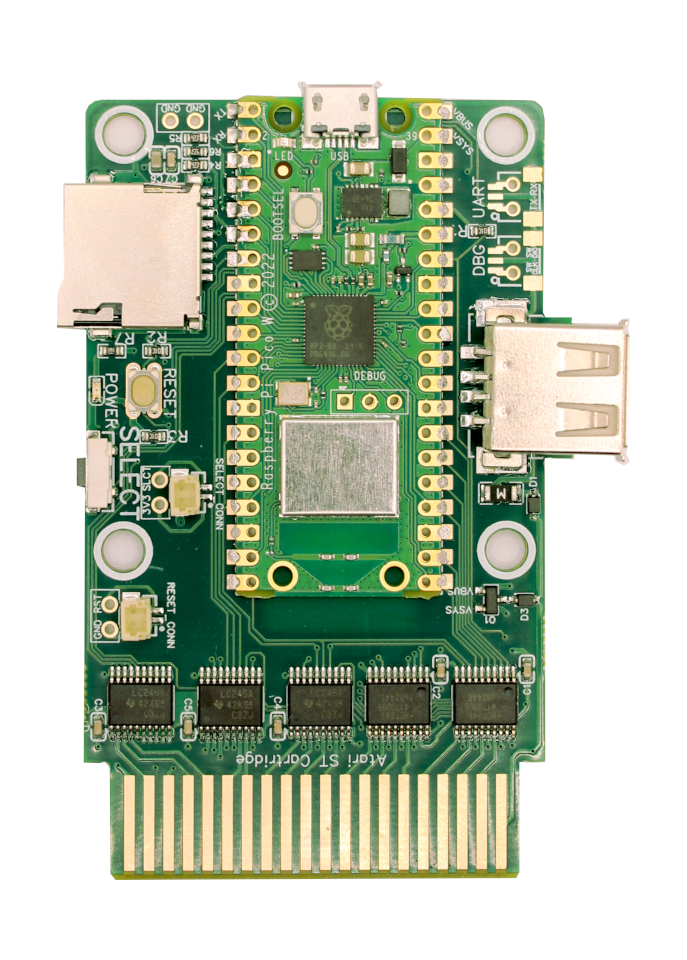
SidecarTridge Multi-device – Cartridge-port apps platform for the Atari ST, STE, Mega, TT, and Falcon. A Raspberry Pi Pico W (RP2040) adds Wi-Fi and a microSD slot and runs Firmware V2 with a growing catalog of modular apps (microfirmwares) installed over Wi-Fi from the Booster menu: Drives Emulator (floppy and hard disk), ROM Emulator, Real Time Clock, File & Download Manager, MIDI-to-IP, Dragon’s Lair, and more. Two editions: the assembled Multi-device (Pico W reflow-soldered, firmware pre-installed, no soldering) and the Multi-device for developers (Pico WH with Firmware V2 pre-installed, ready for the Raspberry Pi Debug Probe; you solder the female headers to the board yourself).Product · Apps catalog
-
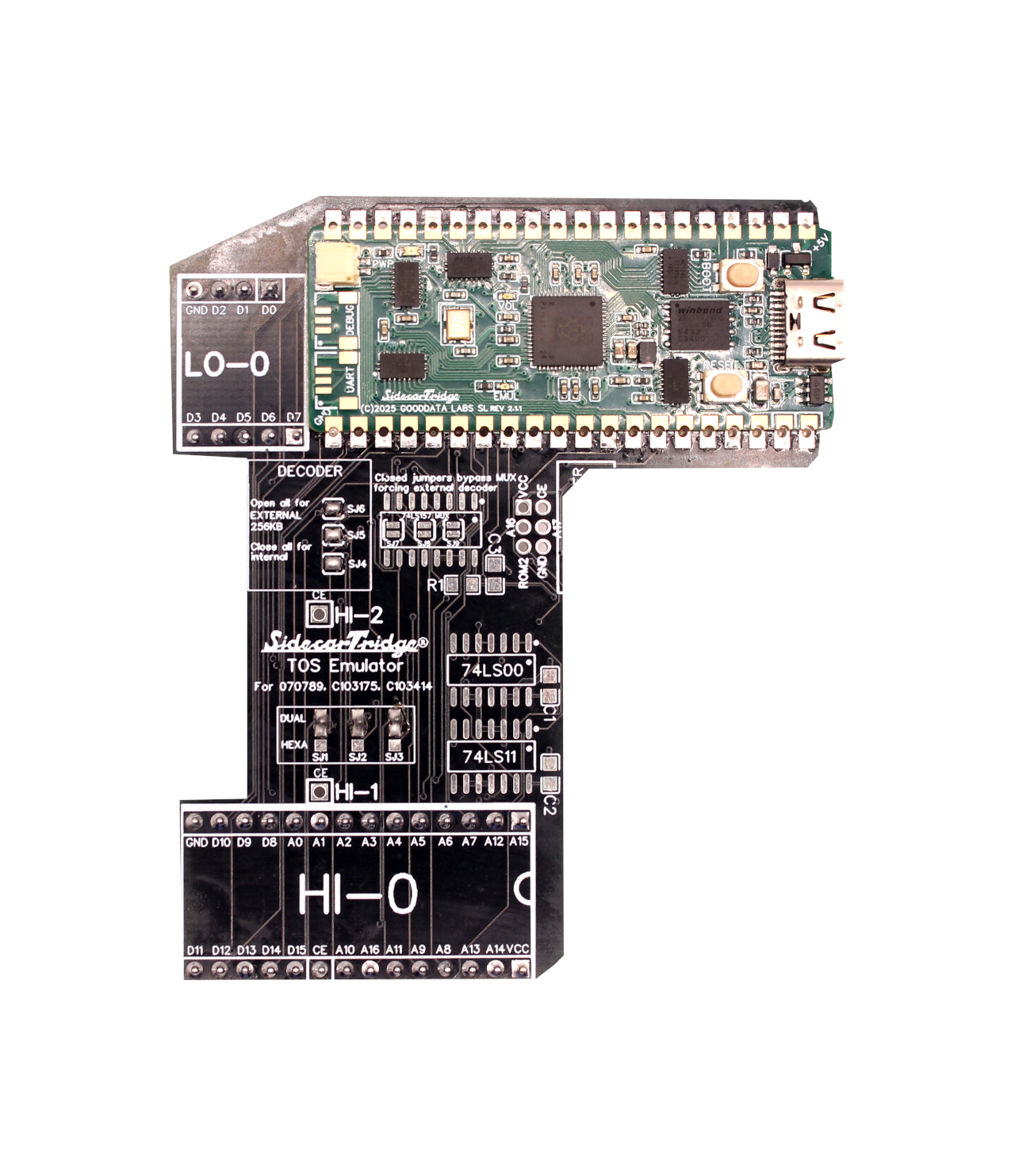
SidecarTridge TOS Emulator – Stores dozens of TOS and EmuTOS builds and switches between them without opening the machine. USB-managed, auto power-on, adjustable bus timing. For Atari ST/STE/Mega ST/Mega STE.Product
-
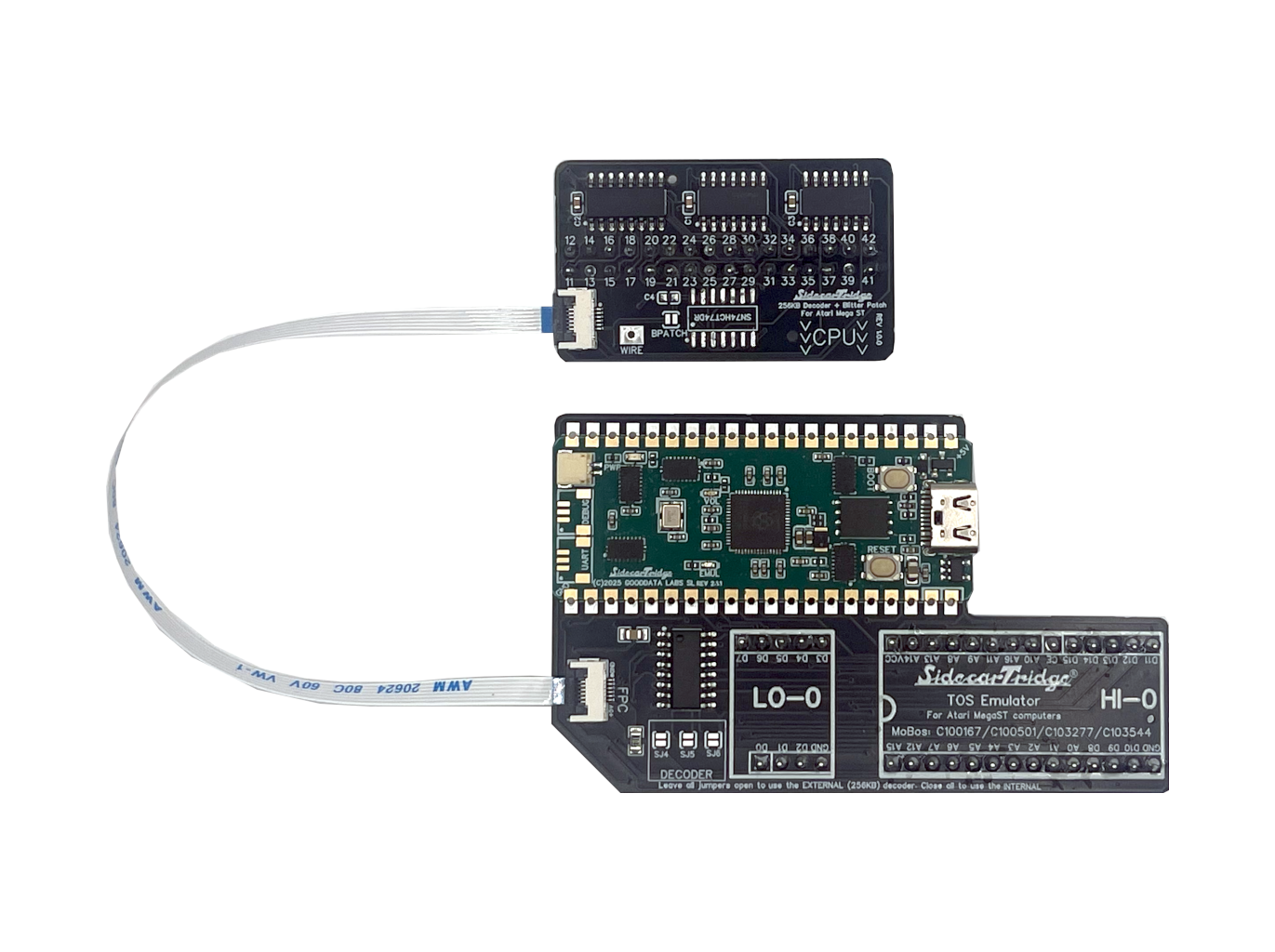
SidecarTridge 256KB Decoder + TOS Emulator Combo – Solderless combo that lets an Atari Mega ST transparently boot both 192 KB and 256 KB TOS images (including STe and Mega STe builds) without touching the original ROM sockets and without soldering on the 68000. The decoder seats in the MEGABUS connector and links to the TOS Emulator carrier (rev4+) through a 6-pin flat cable. This shipping solderless combo replaces the earlier solder-in decoder.Product
-
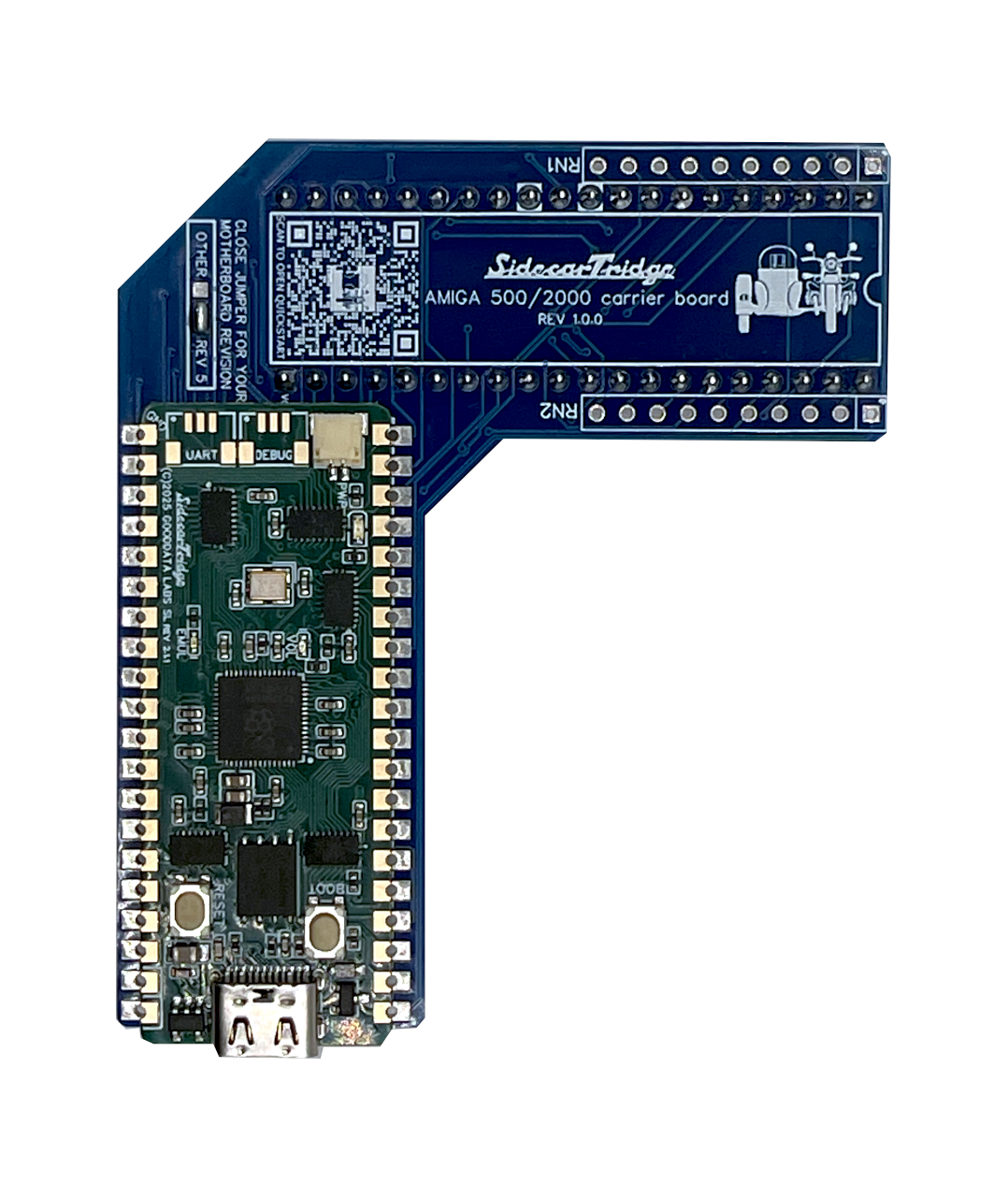
SidecarTridge Kickstart Multi ROM – Programmable replacement for the Kickstart chip on a Commodore Amiga 500 or 2000. Holds dozens of Kickstart images in onboard flash and boots the selected one (Kickstart 1.2/1.3/2.04/3.1, DiagROM, EmuTOS) through the SWITCHER tool. New images are uploaded over USB, so no chip swaps and the original ROM stays safe on the shelf.Product
-
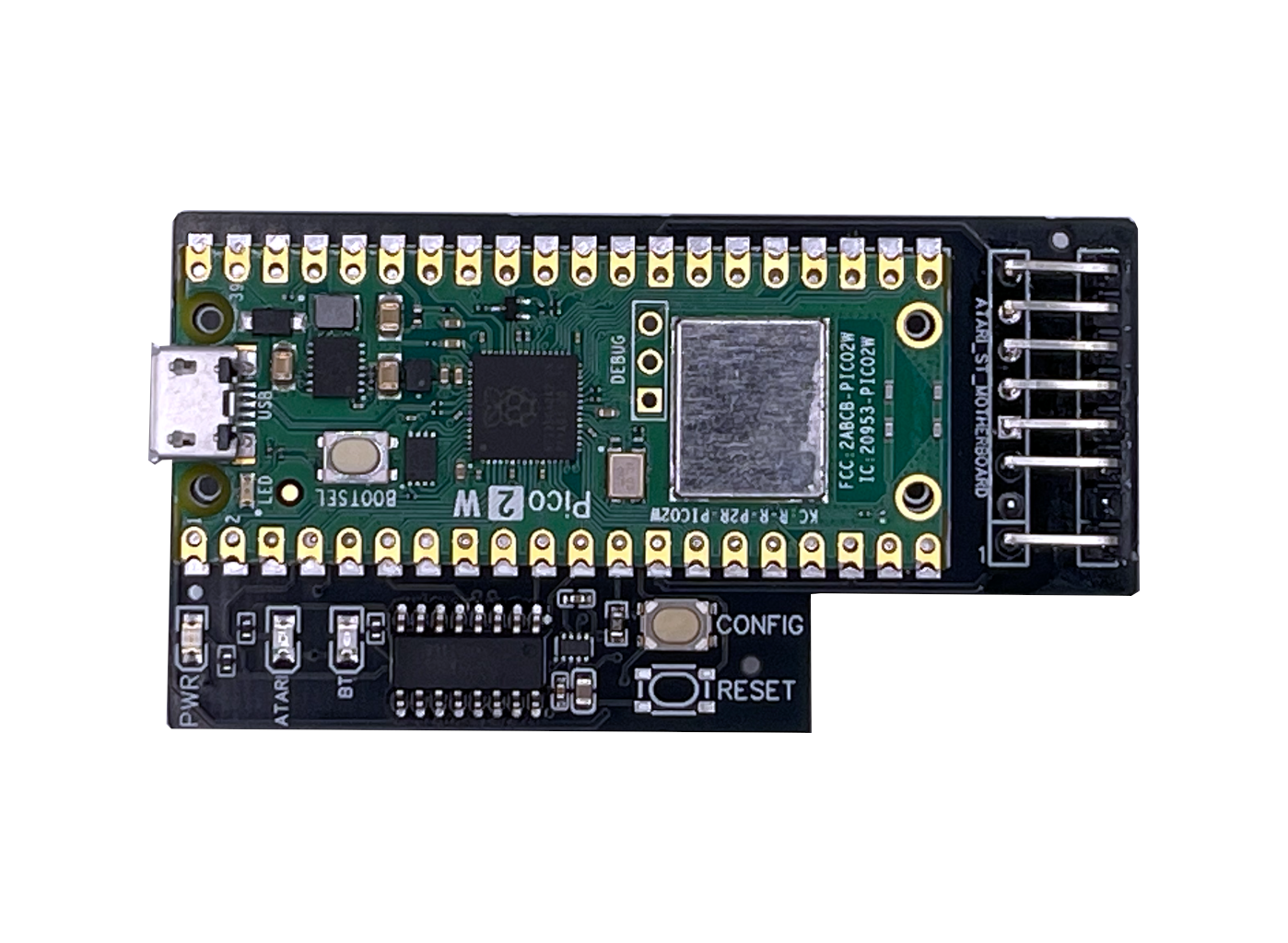
SidecarTridge Croissant Keyboard Emulator – Internal IKBD keyboard emulator for Atari ST/STE machines with the 7-pin internal keyboard connector. Adds Bluetooth keyboards, mice, and gamepads, keeps original-keyboard pass-through, and is configured over Wi-Fi.Product
-
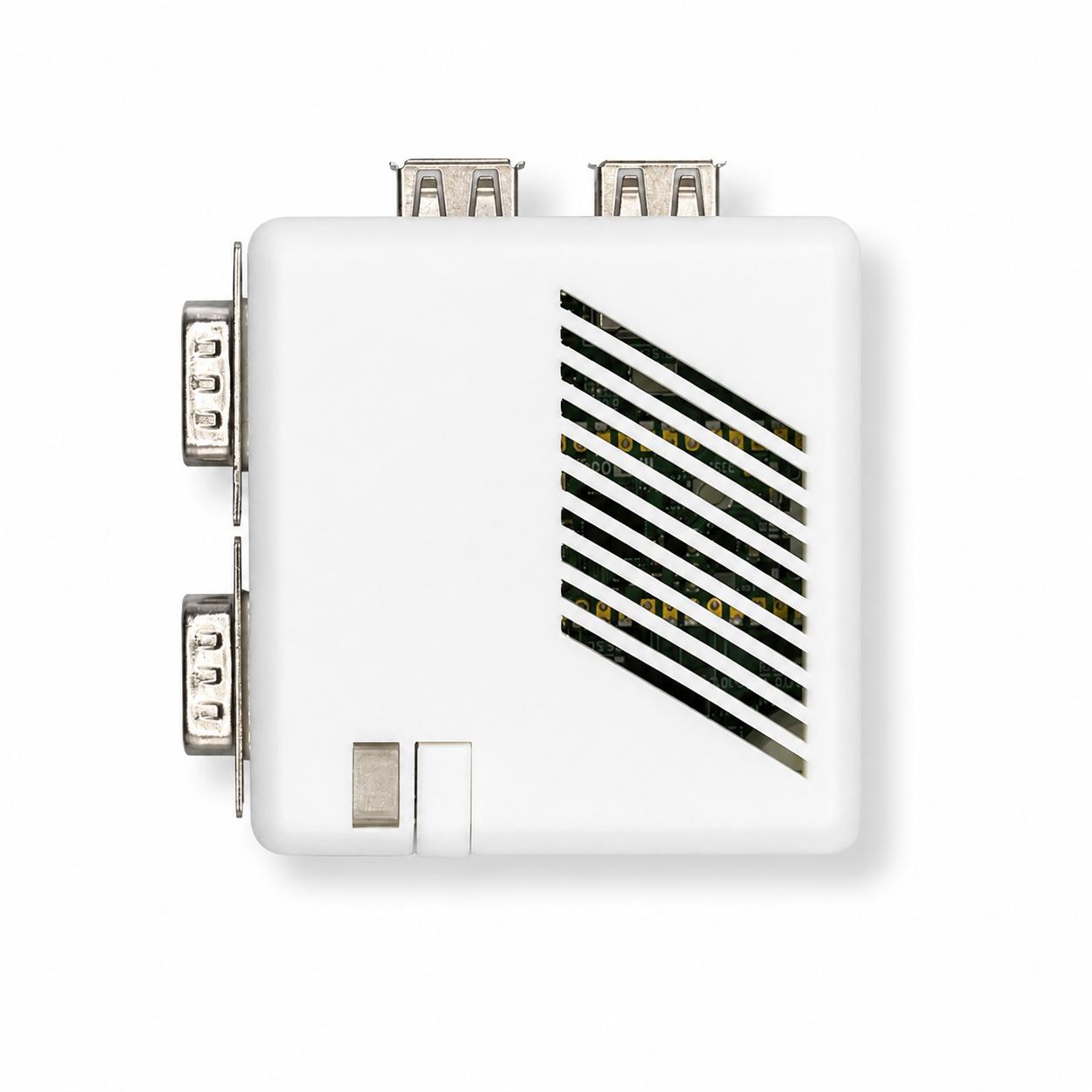
SidecarTridge Soufflè Keyboard Emulator – External IKBD keyboard emulator for Atari Mega ST/Mega STE. Plugs into the external keyboard port via a 1 m coiled RJ11 6P4C cable in place of the original keyboard. A built-in USB hub brings modern keyboards, mice, and gamepads, while two native DB9 outputs keep original Atari mouse and joysticks working. Configured over Wi-Fi.Product
-
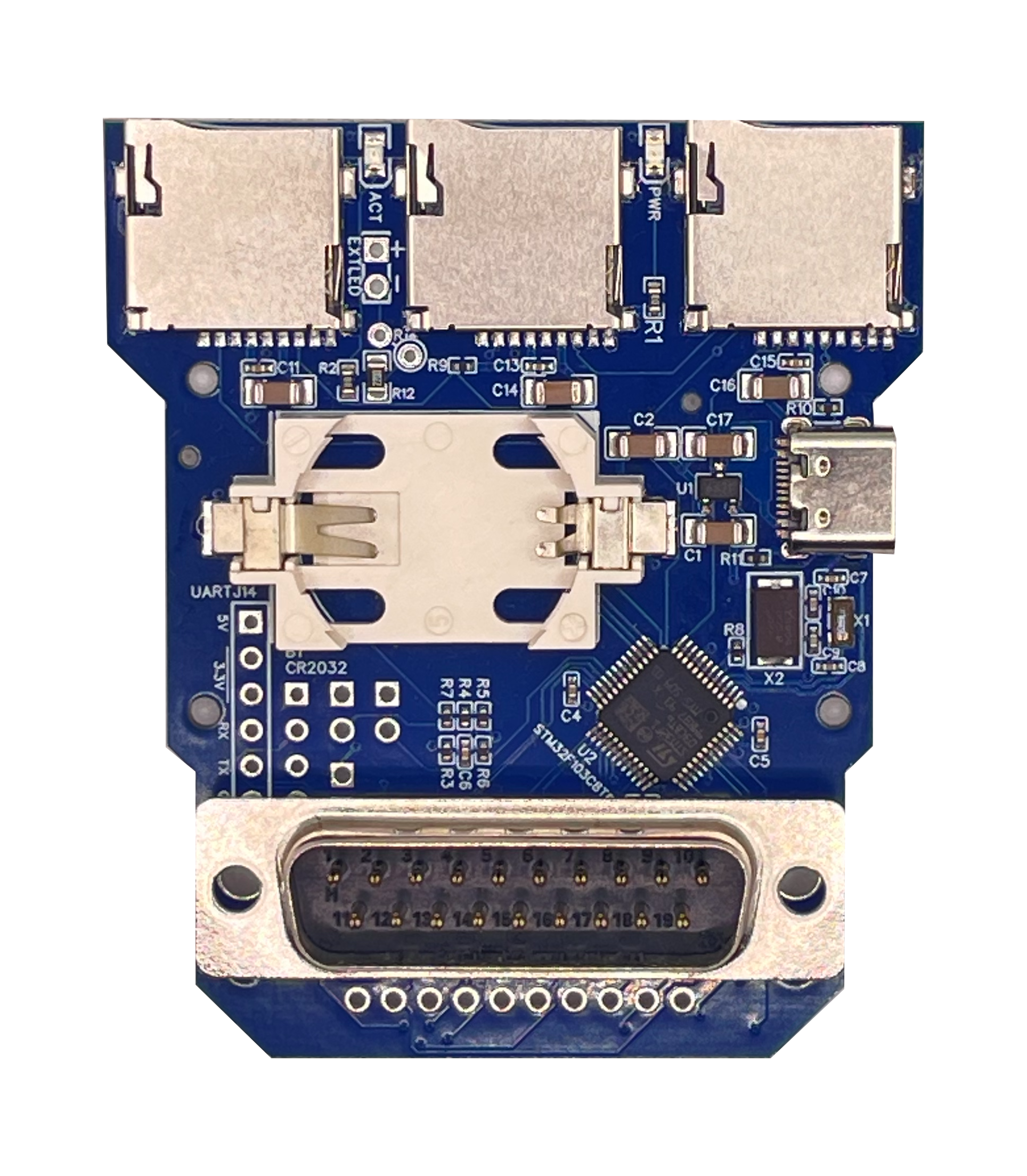
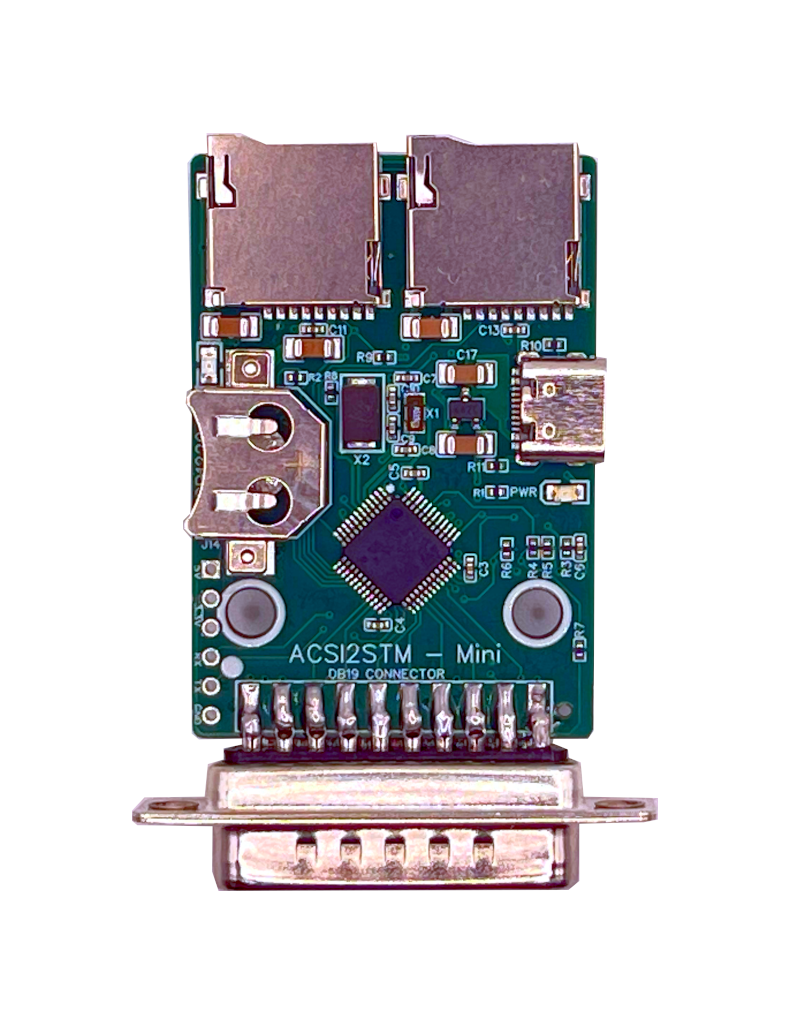
ACSI2STM Compact & Mini – Solid-state hard-disk emulators for Atari ST/Mega ST/STE/Mega STE with GemDrive and RTC support. The Mini is a tiny 65 x 35 mm board with a direct DB-19 connector, sold standalone or with an optional 3D-printed enclosure. (Derivative of the open-source ACSI2STM project.)Compact · Mini
-
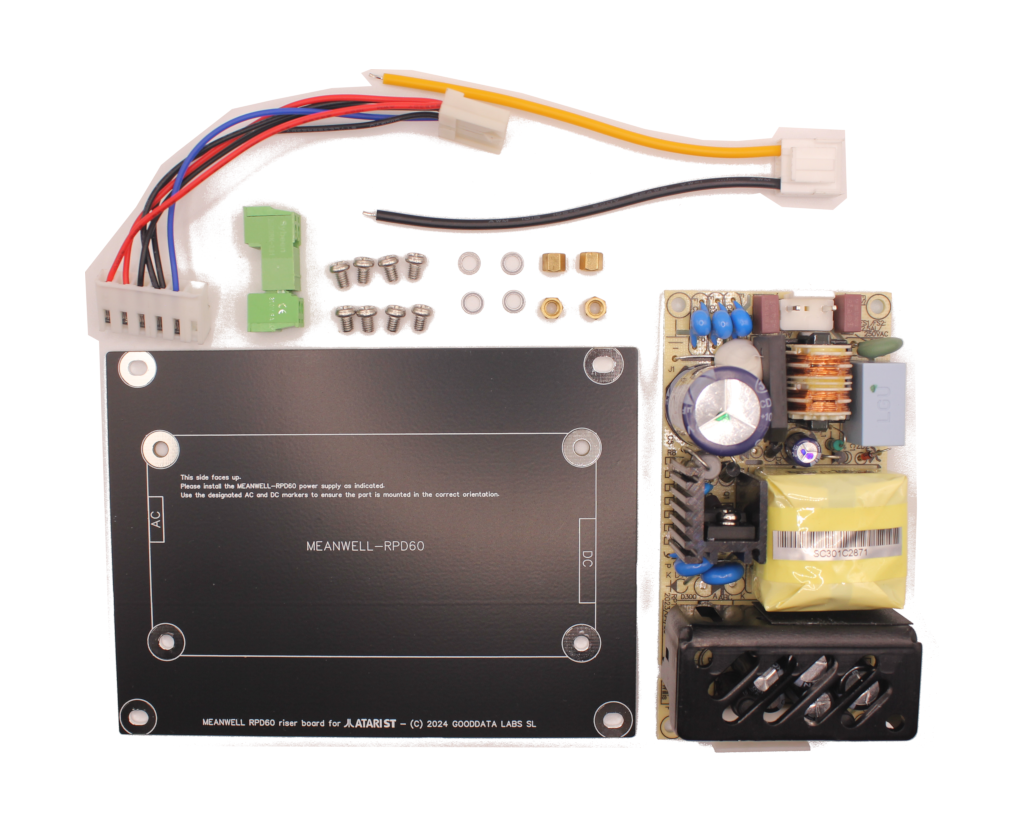
SidecarTridge Mean Well PSU Kit – Solderless replacement PSU for Atari ST/STE/Mega ST built around the industrial Mean Well RPD-60A open-frame supply, a custom riser PCB, harnesses, and mounting hardware. No soldering and no chassis modifications; the machine ends up in stock configuration.Product
-
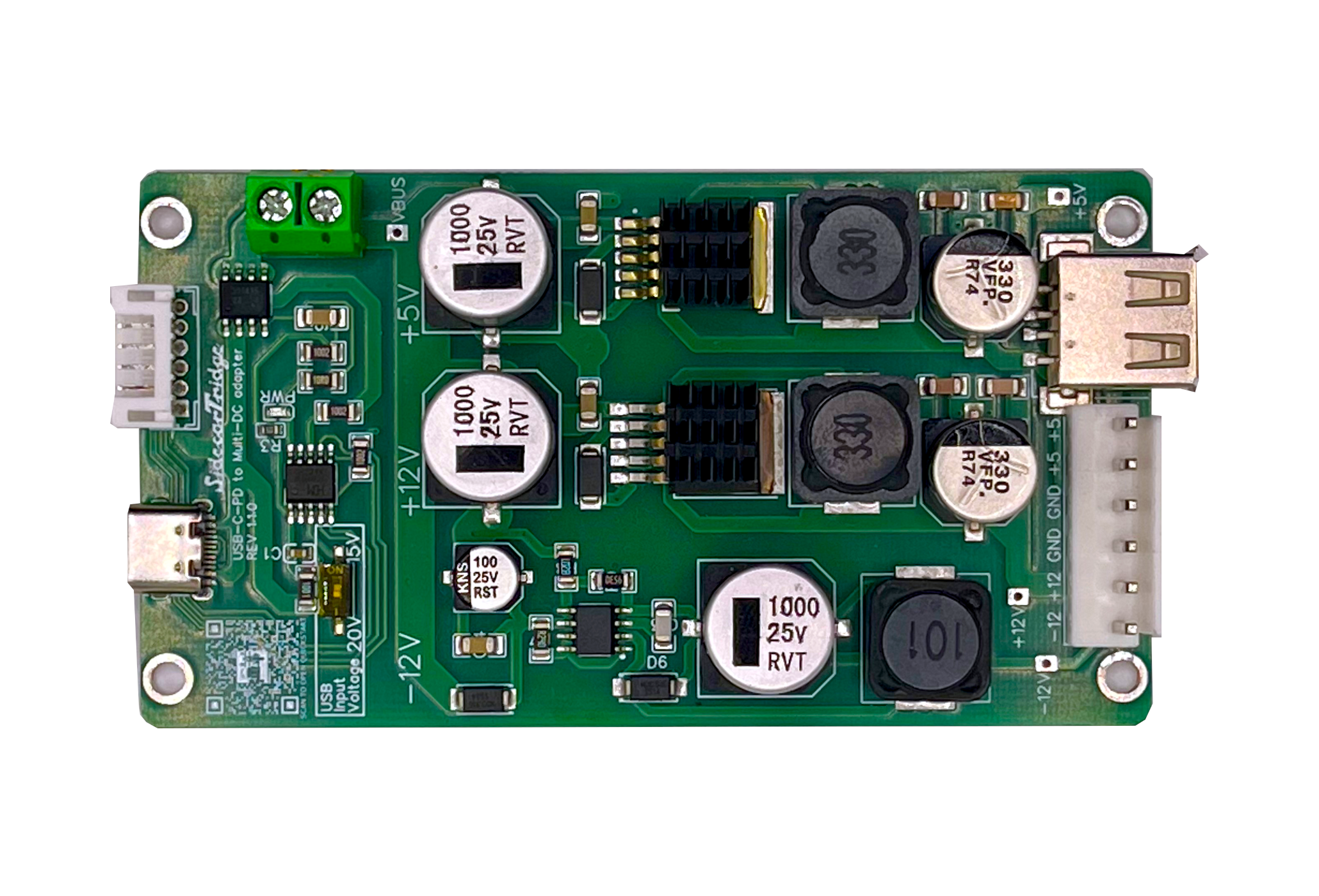
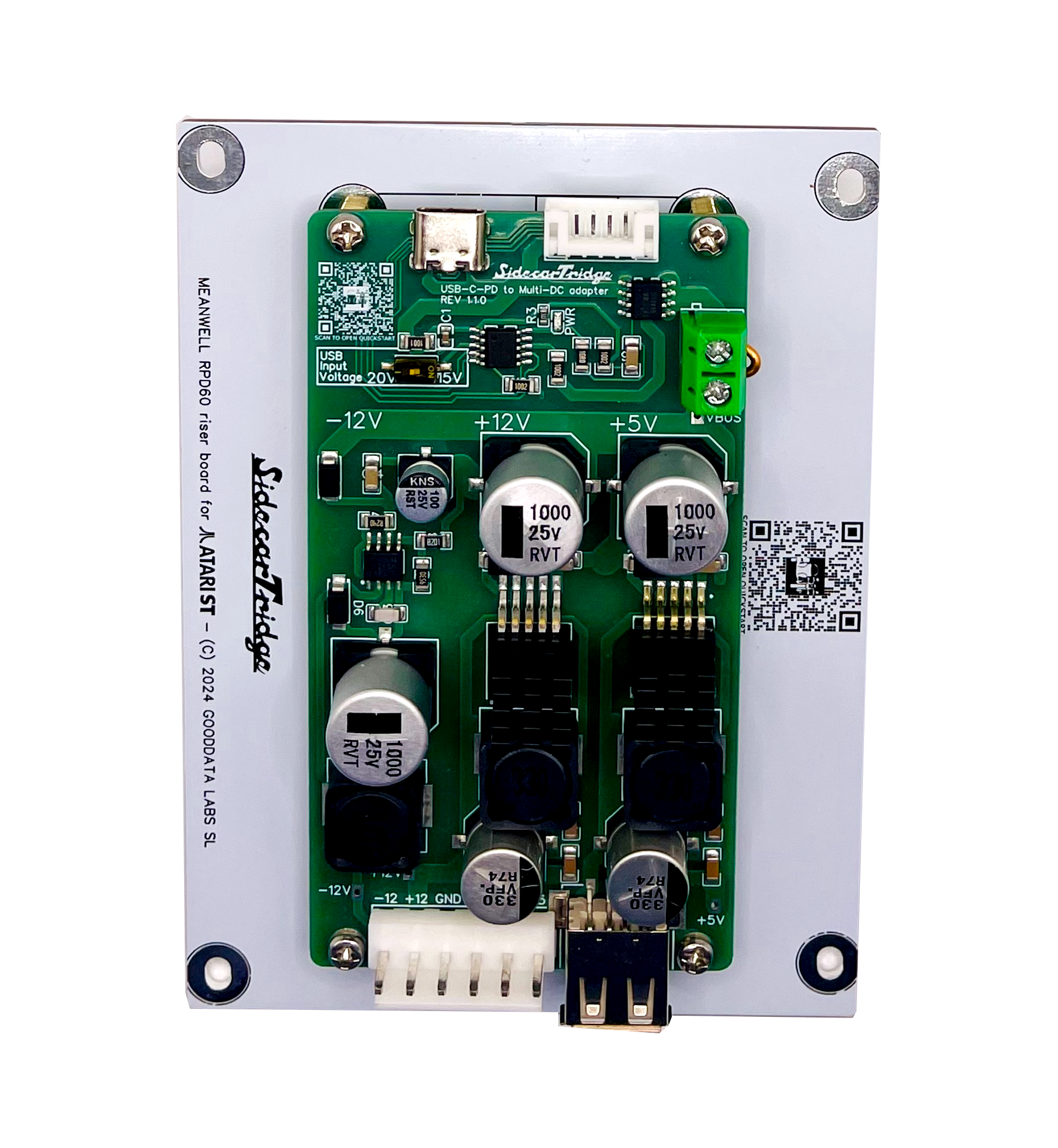
Internal USB-C PD PSU Kit – Drop-in, solderless replacement PSU for Atari ST/STE/Mega ST using a modern USB-C PD multi-rail board.Product
-
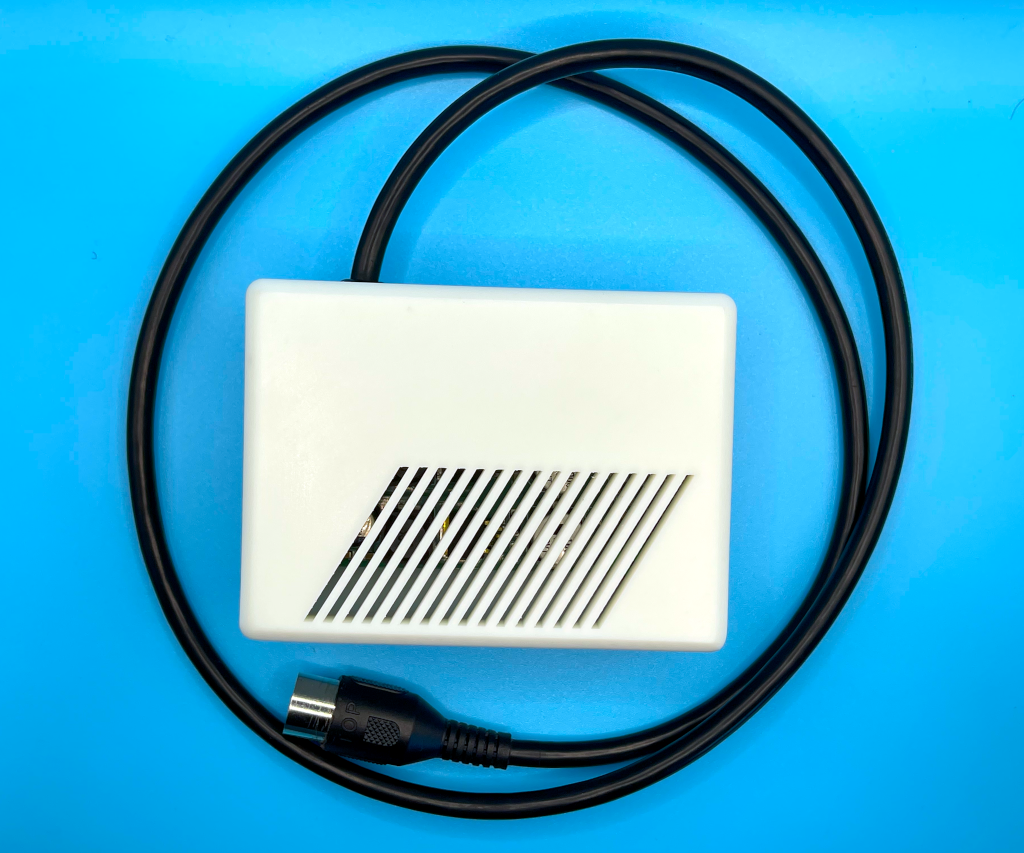
External USB-C PD PSU for Atari 520ST (short) – Fully assembled external brick that replaces the original Atari 520ST short power brick (motherboards C070115 / C070243) and feeds the +5 V / +12 V / −12 V rails via USB-C PD.Product
-
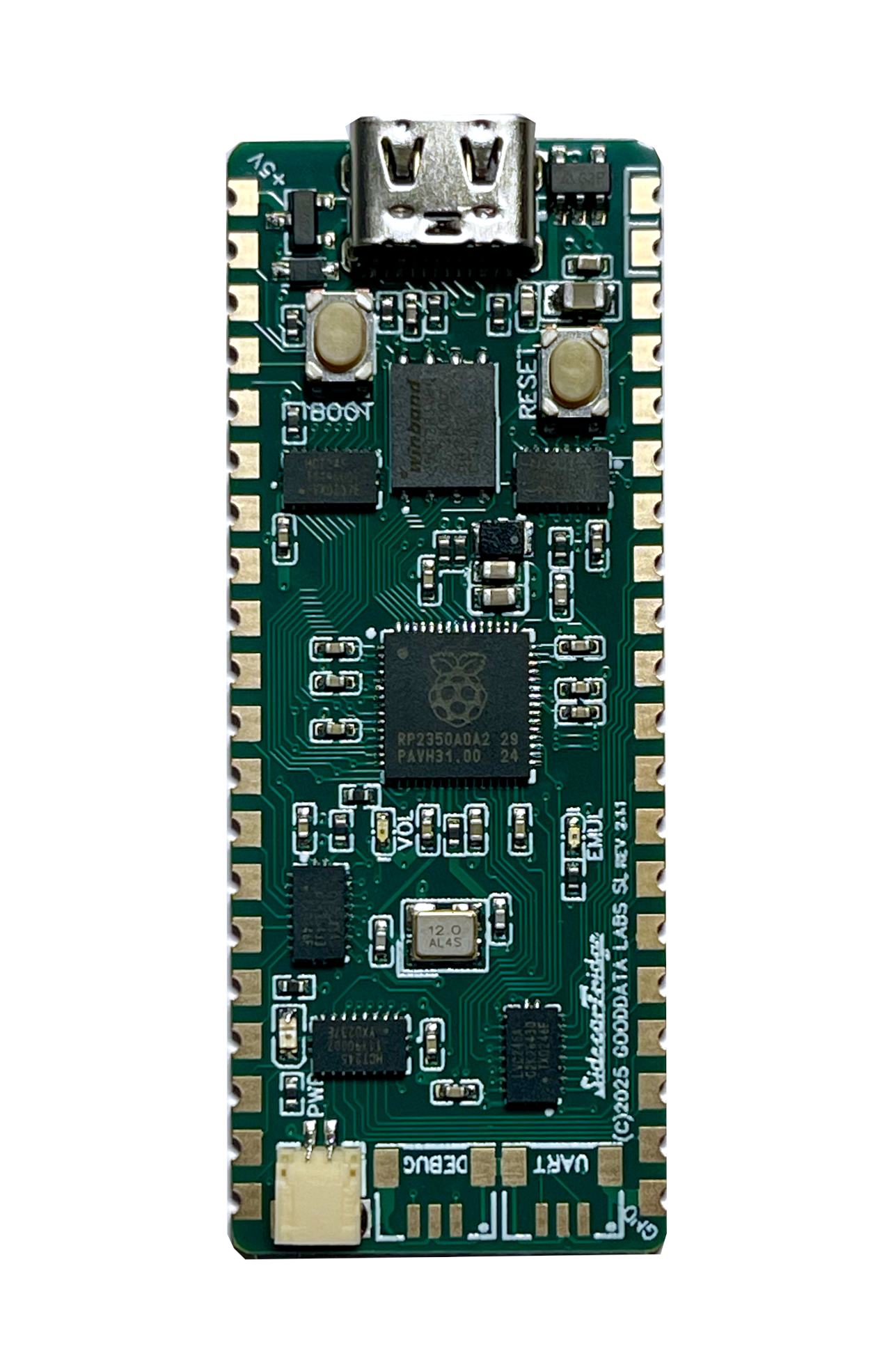
SidecarTridge ROM Emulator – Signal-accurate programmable 512 KB ROM emulator module based on the RP2350, for EPROM/EEPROM/Flash devices on 8- and 16-bit buses. It is the core board used by the TOS Emulator and the Kickstart Multi ROM, aimed at developers and hardware makers. Not to be confused with the ROM Emulator app of the Multi-device.Product
-
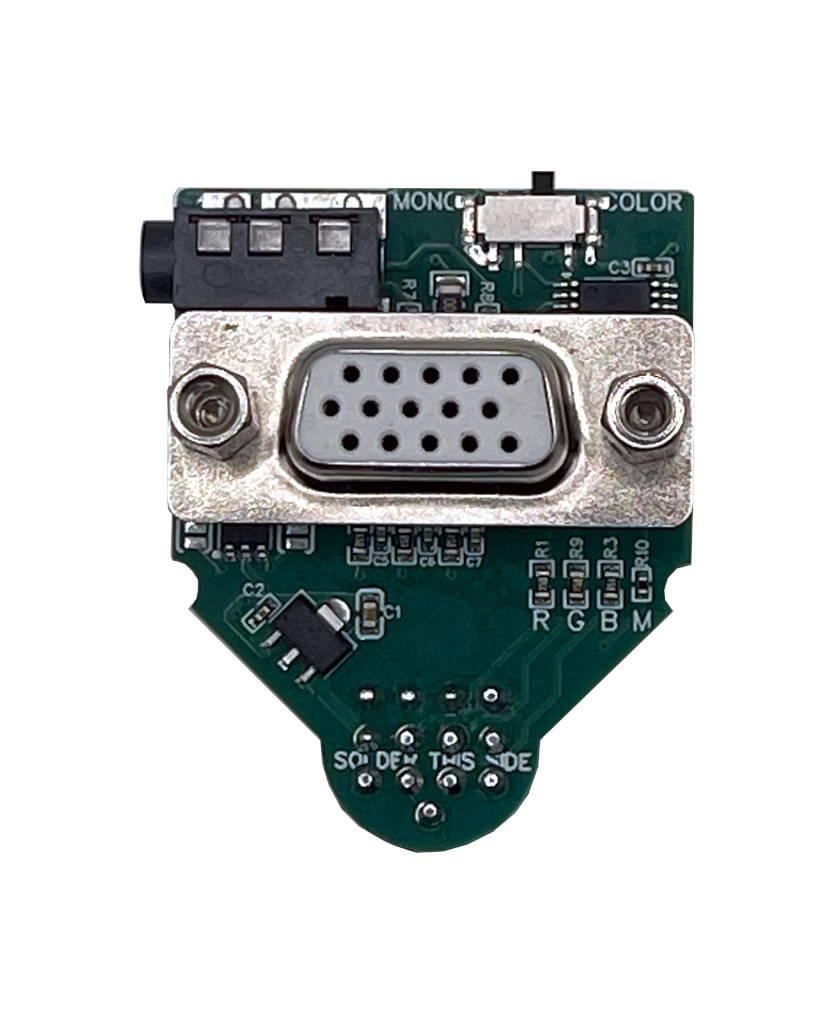
ST2VGA Adapter (Revision 3) – Passive RGB-to-VGA adapter with a 4-layer PCB, dedicated low-pass filters, and a color/mono slide switch. Preserves Atari timings and requires a 15 kHz-capable display for color.Product
-
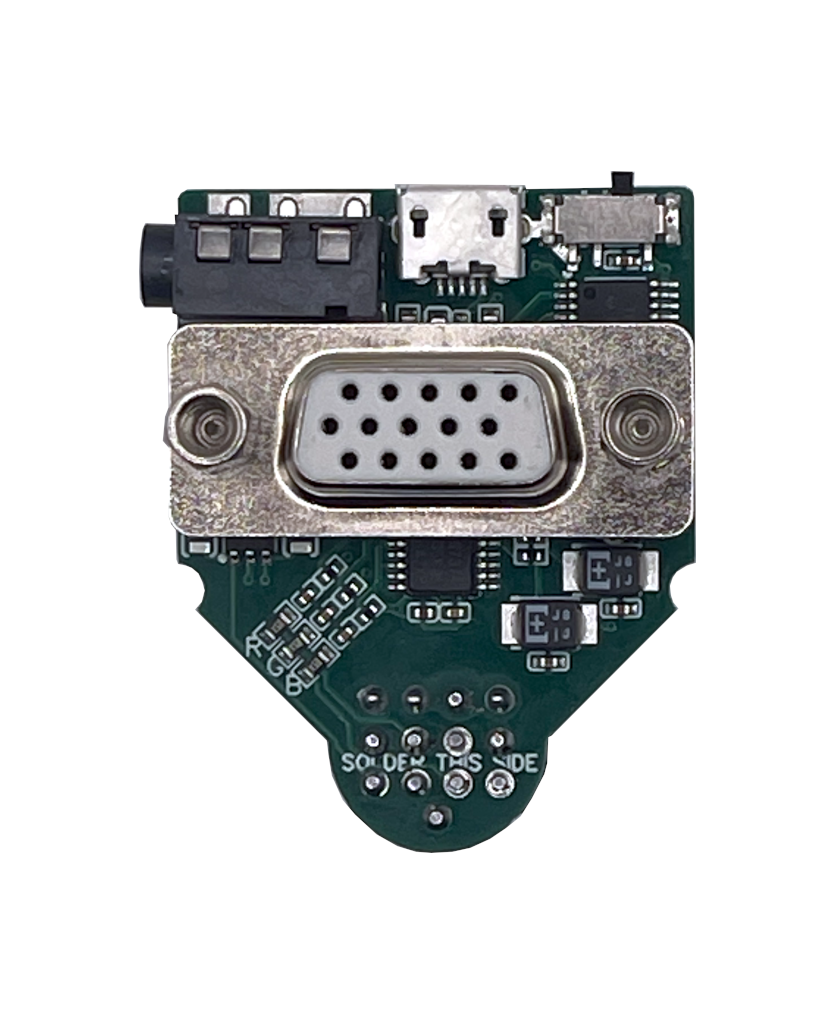
ST2VGA Enhanced Adapter – Adds an active RGB amplifier, analog filtering, buffered outputs, and micro-USB 5 V power to tame weak or noisy Atari video stages and reduce vertical “jailbars.” Ideal for early ST boards or picky LCDs.Product
-
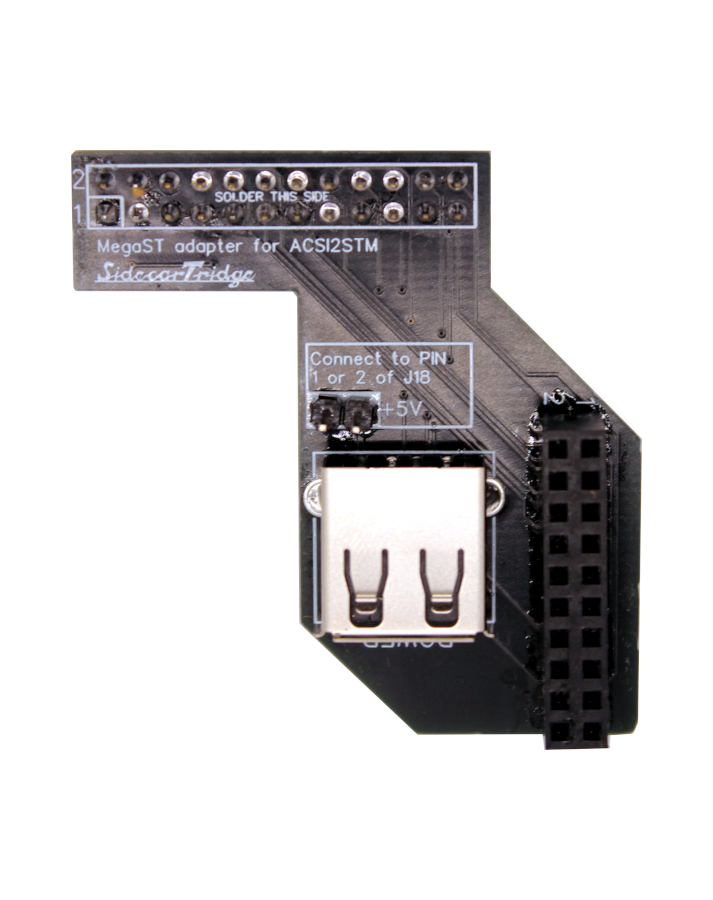
ACSI2STM Internal Riser Boards – Risers that mount ACSI2STM hardware cleanly inside Mega ST / Mega STE cases.Product
-
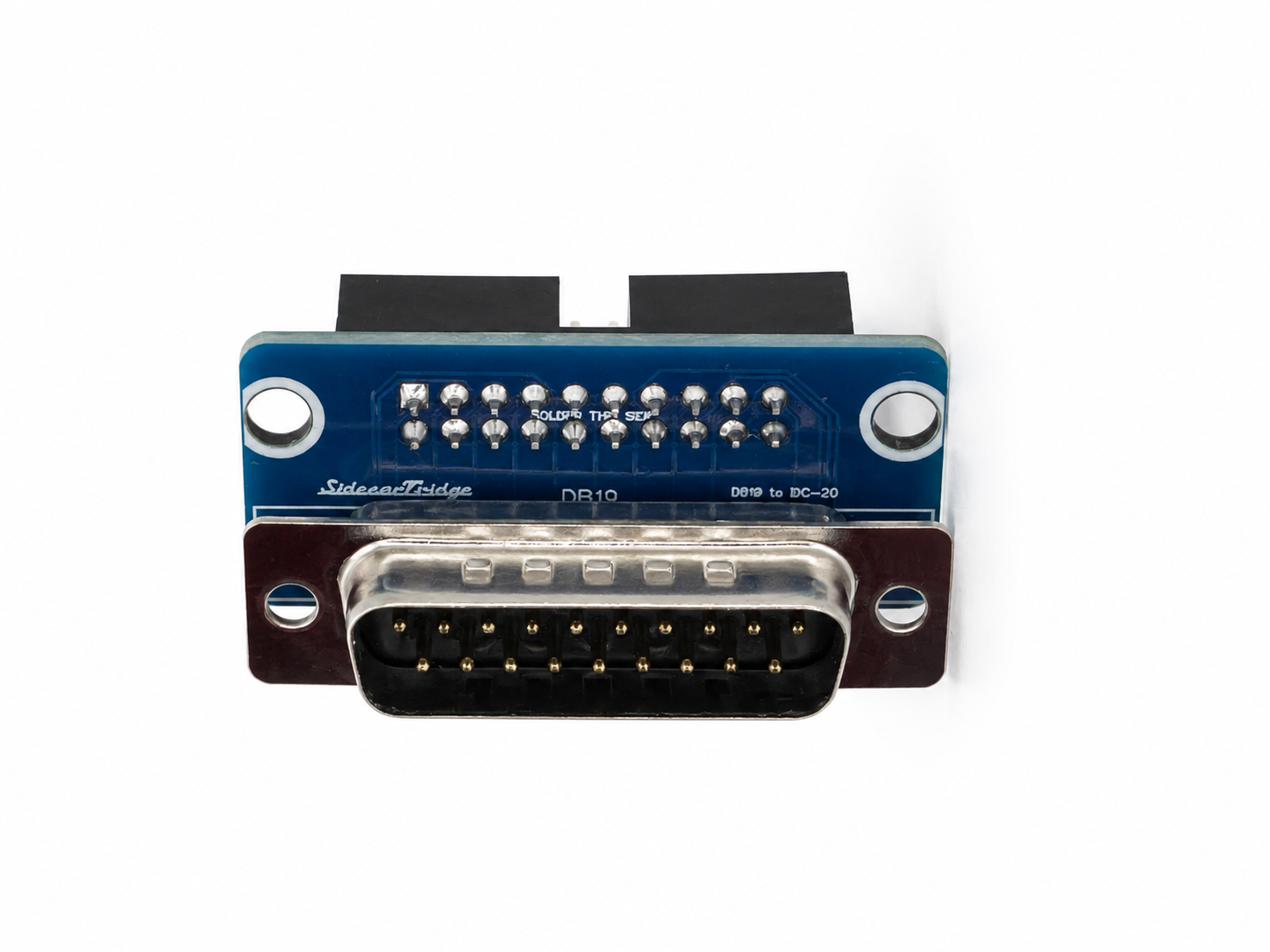
DB19-to-IDC20 Adapter + Ribbon Cable – Passive adapter that bridges the classic Atari DB-19 ACSI hard-disk port to the modern 2x10 IDC-20 header, with a 30 cm ribbon cable. Lets you connect current IDC-20 ACSI devices such as ACSI2STM and Satan Disk without hunting for the discontinued DB-19 connector.Product
-
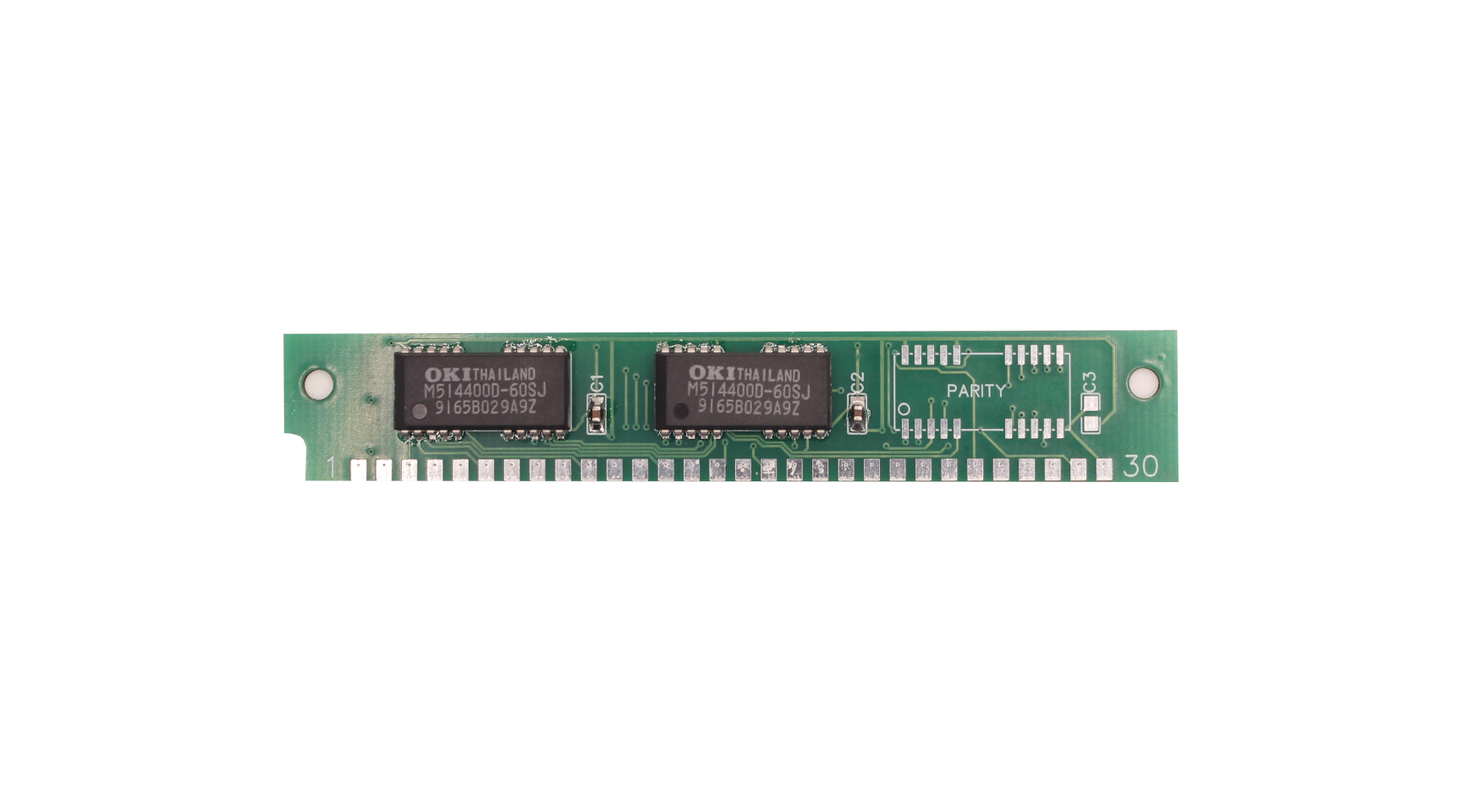
4 MB SIMM Memory Modules – New-production SIMM30 modules tuned for Atari STE / Mega STE upgrades.Product
Key Facts
- Founded: 2023 (Madrid, Spain)
- Company: GOODDATA LABS SL
- Focus platforms: Atari ST / STE / Mega ST / Mega STE (primary); the Multi-device also fits the TT and Falcon cartridge port; Amiga 500/2000 via the Kickstart Multi ROM
- Availability: Ships from Spain. Since 12 August 2026, within the European Union we ship only to Germany and Spain (EU Packaging and Packaging Waste Regulation, Article 45); other EU countries are not available at checkout. Outside the EU we ship worldwide; U.S. orders carry tariff and customs-handling fees. Details: Tariffs, duties and taxes and PPWR and the case of the EU against small companies
- Design philosophy: Fully documented hardware, field-upgradable firmware, preference for solderless installs (the Multi-device for developers is the exception: its headers are soldered by the user)
- Community: Blog, GitHub, YouTube, and retro forums
- Open source: Many firmware components and reference designs are MIT/BSD/CERN-OHL licensed on GitHub
Contact & Resources
- Website: https://sidecartridge.com
- Documentation: https://docs.sidecartridge.com
- Store: https://store.sidecartridge.com
- Blog / News: https://sidecartridge.com/blog/
- GitHub: https://github.com/sidecartridge
- YouTube: https://youtube.com/@sidecartridge
- Support: contact page, https://store.sidecartridge.com/pages/contact
Licensing
Documentation, firmware, and reference hardware are released under permissive open-source and open-hardware licenses (MIT, BSD, CERN-OHL). For each project, see the LICENSE file in the relevant GitHub repository or the docs site for the exact terms.
Frequently Asked Questions (curated)
Q: Do I need the 256KB Decoder to use the TOS Emulator?A: No. The TOS Emulator works standalone for the standard 192 KB Atari ST ROM layout. The 256KB Decoder is only needed on an Atari Mega ST when you want to boot 256 KB images (STe / Mega STe builds). It now ships as a solderless 256KB Decoder + TOS Emulator combo that seats in the MEGABUS connector, with no soldering on the 68000.
Q: What is the difference between the Croissant and Soufflè keyboard emulators?A: Both are IKBD keyboard emulators, but for different machines. Croissant is internal, for regular Atari ST/STE machines with the 7-pin internal keyboard connector. Soufflè is external, for Mega ST/Mega STE machines whose keyboard is a separate unit; it plugs into the external keyboard port through a coiled RJ11 6P4C cable. Neither supports the Atari Falcon, which uses a different keyboard architecture.
Q: What kind of monitor do I need for the ST2VGA adapters?A: Both the ST2VGA and ST2VGA Enhanced adapters preserve original Atari timings. Color modes require a VGA display that accepts ~15 kHz horizontal sync (multisync CRTs, some LCD scalers/capture devices). Mono mode (~31 kHz) works on almost any VGA display.
Q: When should I choose the ST2VGA Enhanced adapter instead of the passive ST2VGA?A: Pick Enhanced if your Atari shows weak colors, vertical “jailbars,” or intermittent sync on modern LCDs, or if your machine lacks +12 V on the monitor port. Enhanced adds an active amplifier and needs external 5 V over micro-USB.
Q: Does the Multi-device or the TOS Emulator require soldering?A: No for the assembled Multi-device and the TOS Emulator: they plug into existing ports/sockets and are configured over USB, Wi-Fi, or microSD, and firmware updates are user-installable. The Multi-device for developers is the exception: you solder two 1x20 female headers for the Pico WH, plus the UART and GND pins for the Raspberry Pi Debug Probe.
Q: Where do you ship?A: From Spain. Within the European Union, only to Germany and Spain since 12 August 2026, because of the EU Packaging and Packaging Waste Regulation (PPWR, Article 45). Outside the EU we ship worldwide; see https://sidecartridge.com/tariffs-duties-taxes/ for U.S. tariffs, duties, and taxes.
Q: What is the difference between the three PSU products?A: The Mean Well PSU Kit is an internal replacement built around the industrial Mean Well RPD-60A supply. The Internal USB-C PD PSU Kit is an internal board powered from a USB-C PD charger. The External USB-C PD PSU is a fully assembled external brick that replaces the original Atari 520ST short power brick. All three deliver the +5 V, +12 V, and −12 V rails Atari hardware needs.
Q: Does SidecarTridge support the Amiga?A: Yes, through the Kickstart Multi ROM for the Amiga 500 and 2000. It replaces the Kickstart chip with a programmable board that stores multiple Kickstart images and switches between them without swapping chips.
Q: Where can I find installation guides, compatibility matrices, or troubleshooting steps?A: All documentation, quickstarts, and changelogs live at https://docs.sidecartridge.com. Each product has dedicated sections with board revisions, firmware links, and known issues.
Last updated
2026-10-06