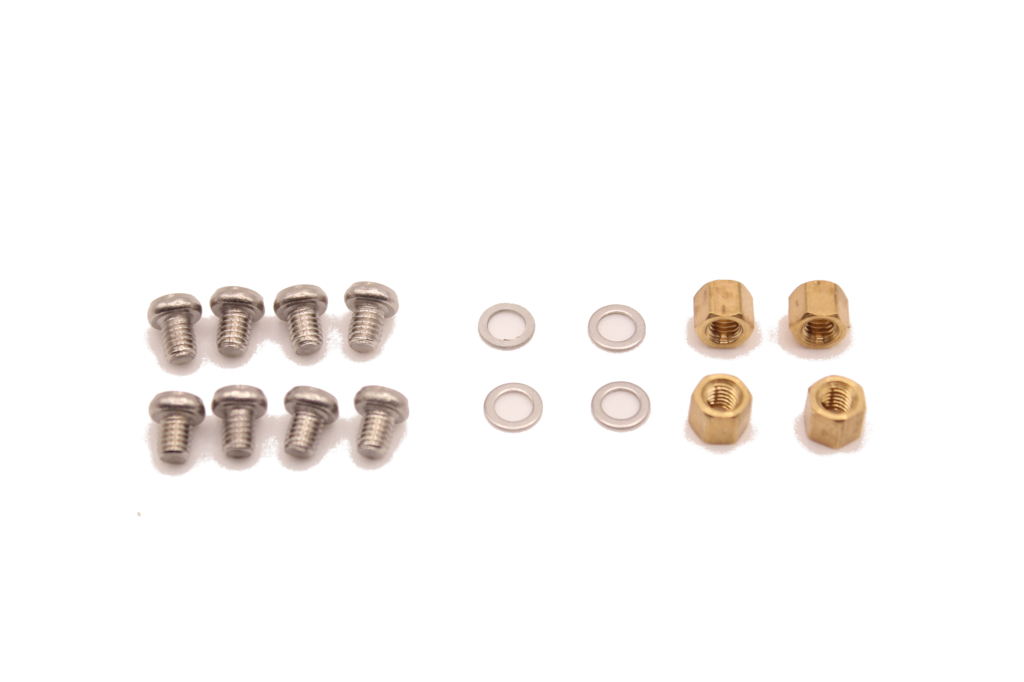
Solderless installation
Plug-in harnesses replace the original PSU connectors. No soldering on the motherboard, no chassis modifications, no permanent changes.






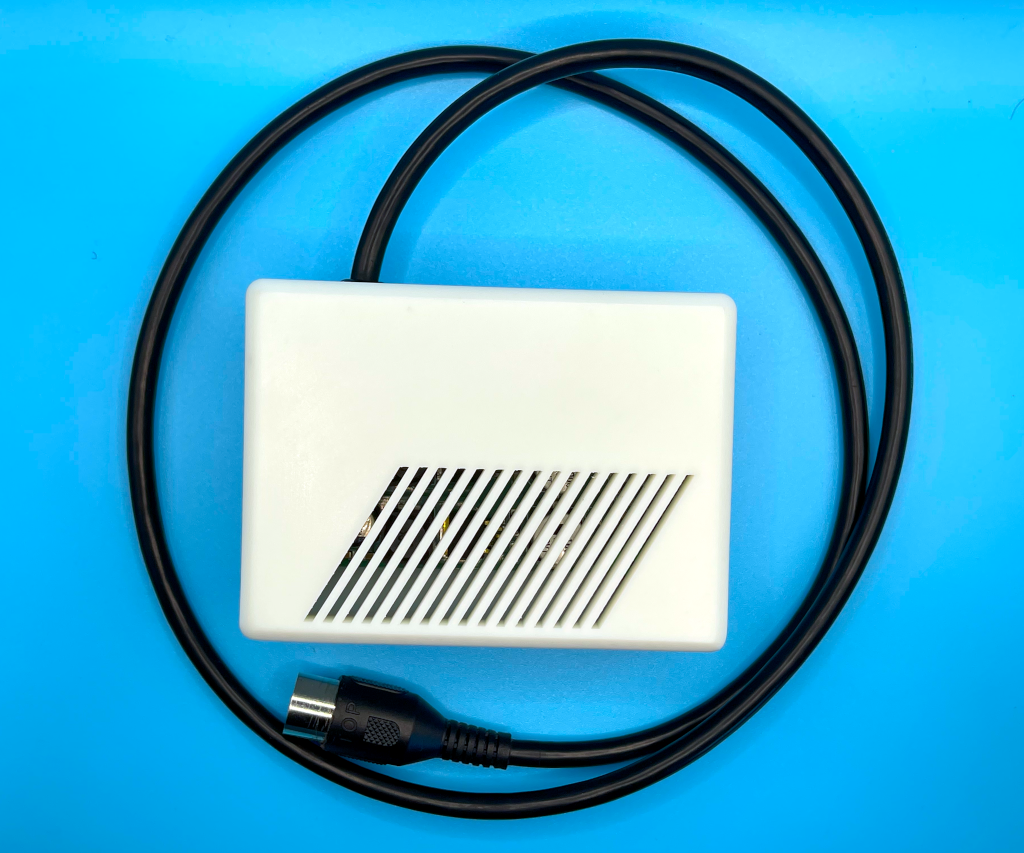
From €45 plus taxes. Ships from Spain. Atari ST, STE and Mega ST.
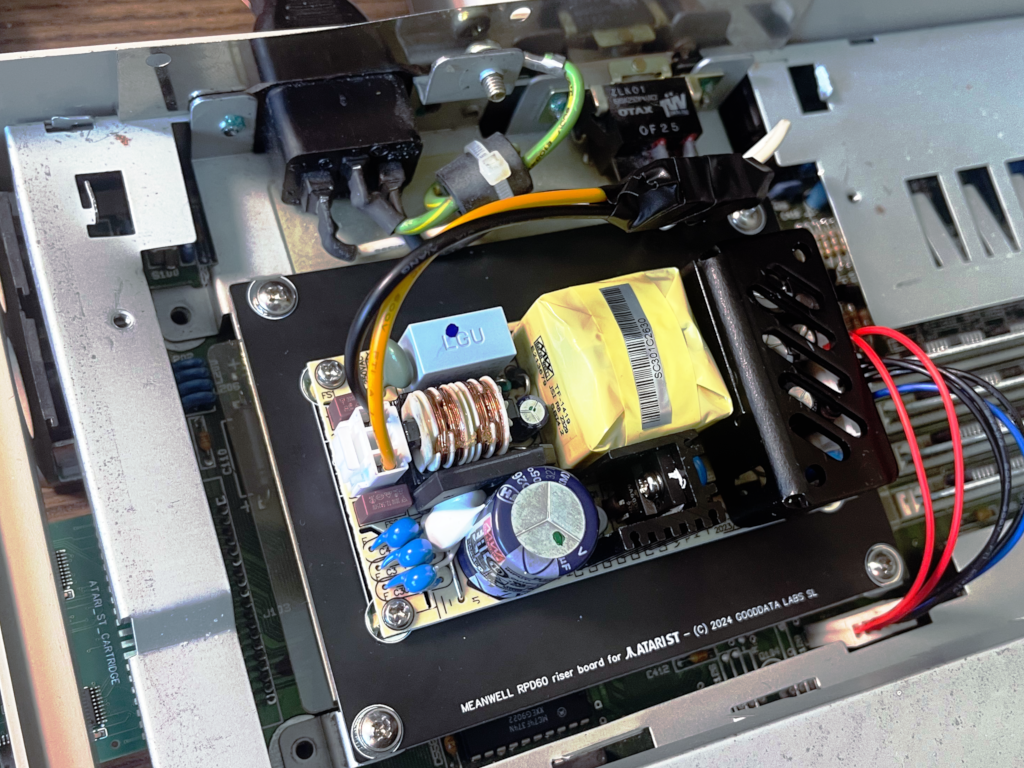
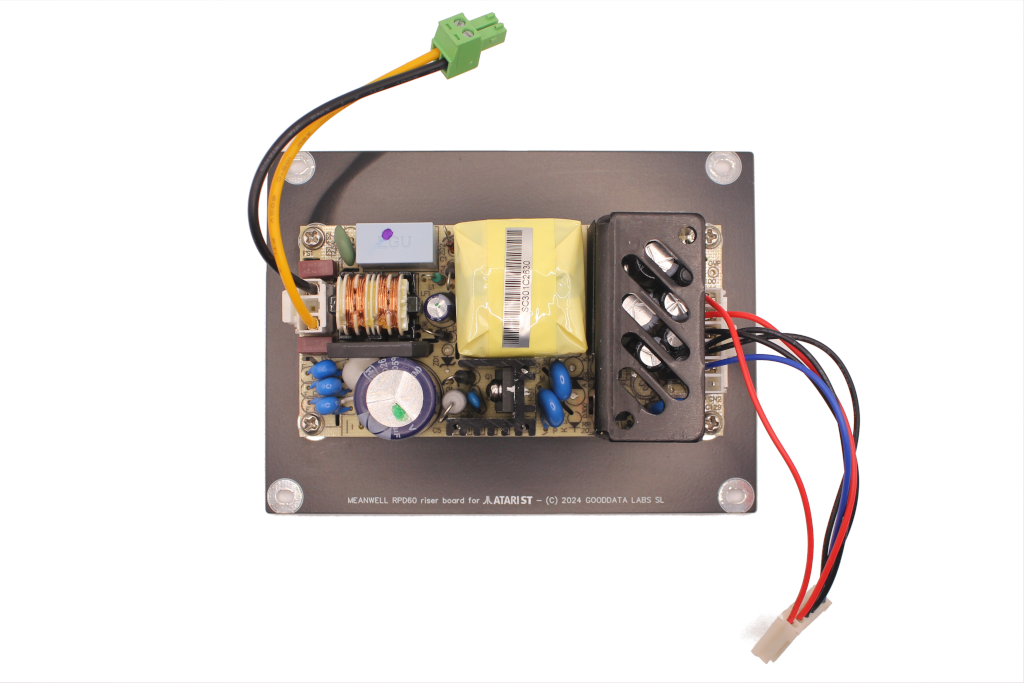
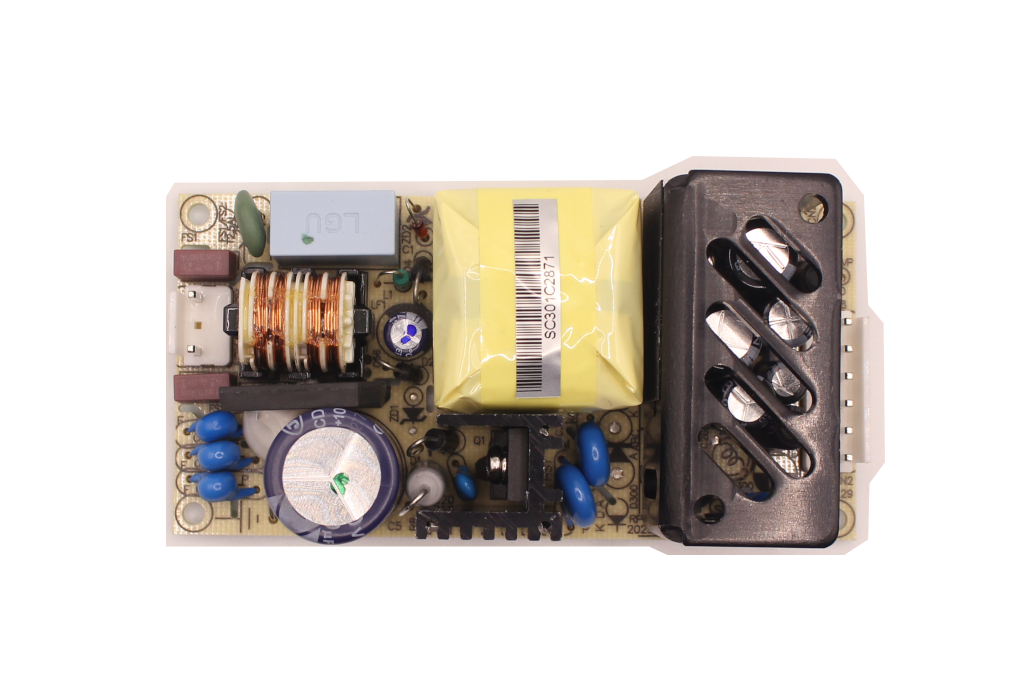
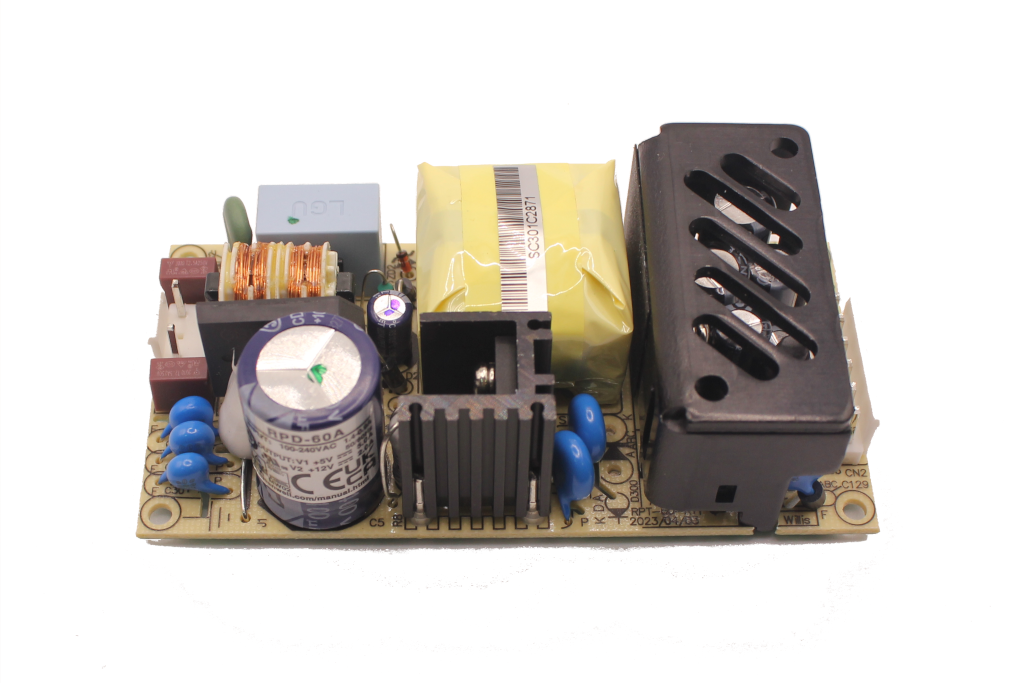
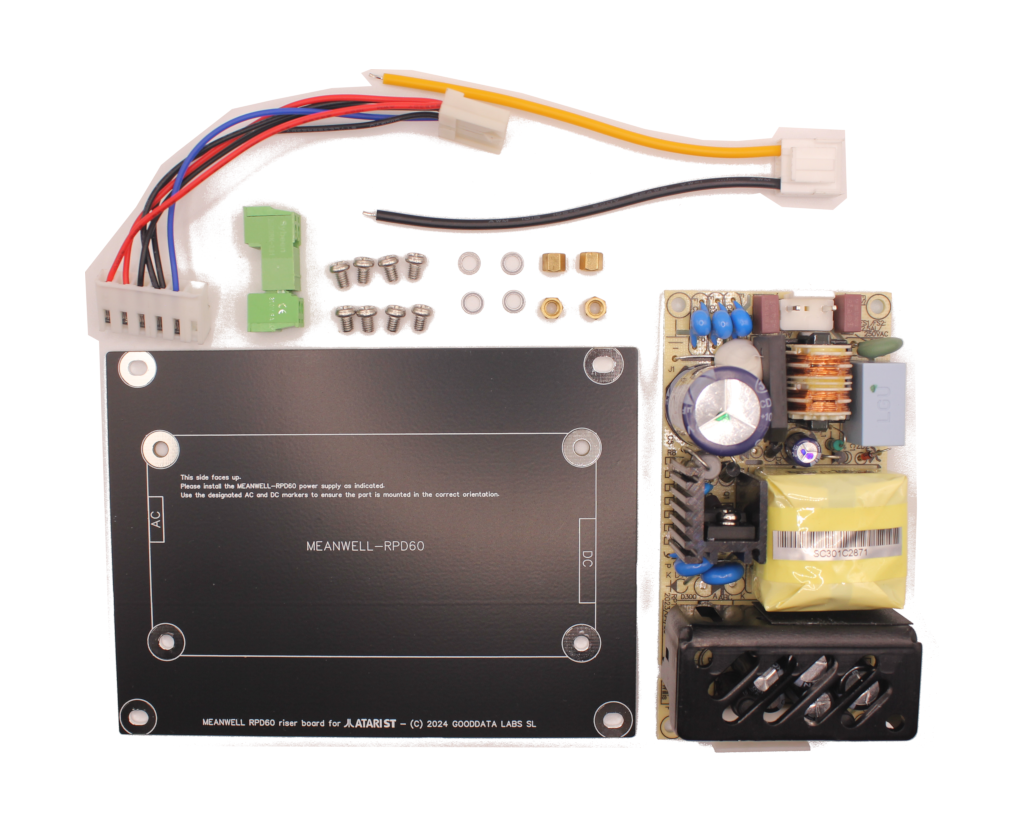
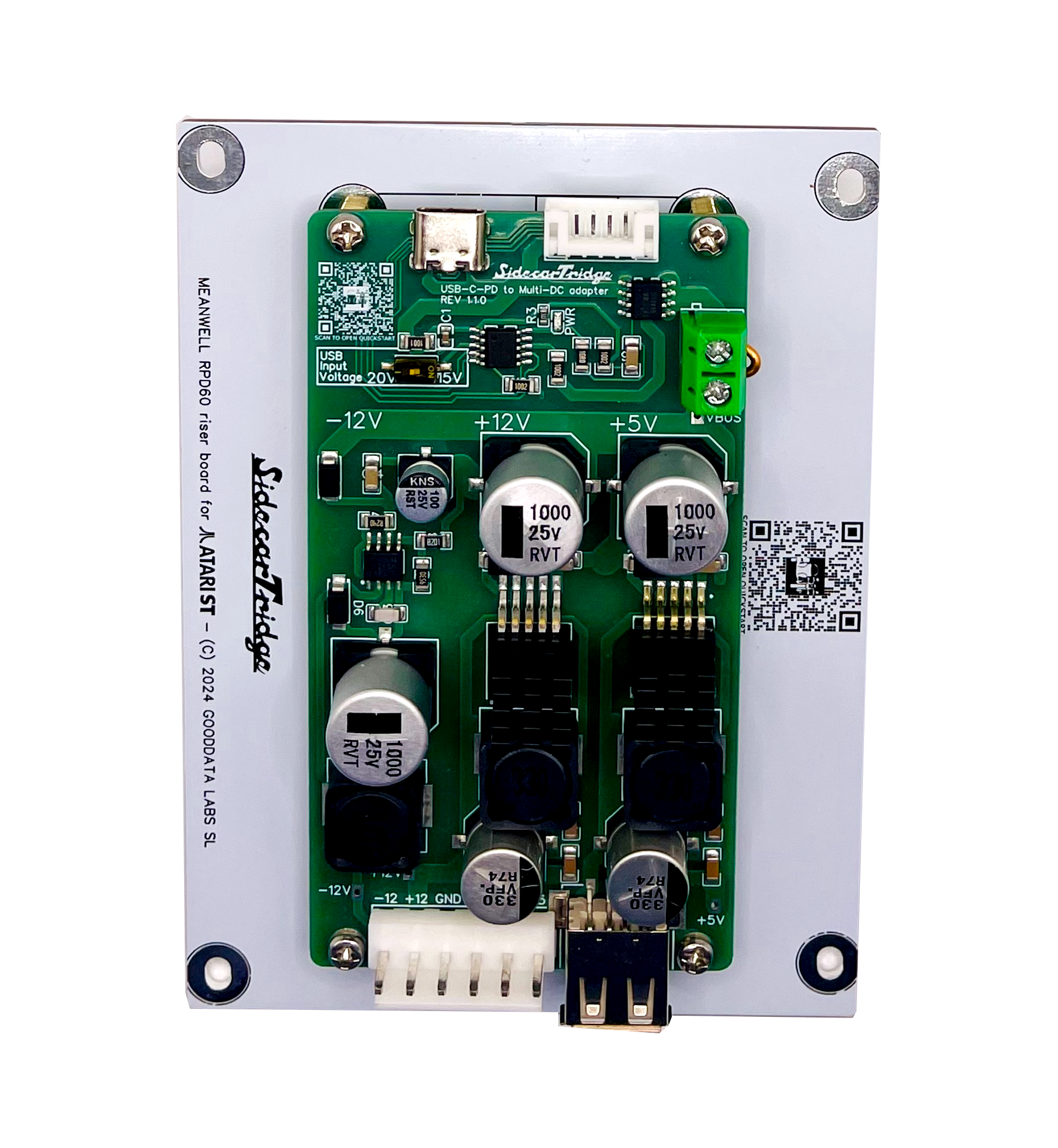
The SidecarTridge Mean Well PSU Kit drops a modern, industrial-grade power supply into the bay where your tired original PSU lives. The kit pairs the well-known Mean Well RPD-60A open-frame PSU with a custom riser PCB, the right harnesses and the mounting hardware to fit the original ST/STE/Mega ST chassis. No soldering, no chassis modifications, and one less reason for your machine, your peripherals and your SidecarTridge boards to die a slow death by sagging rails.
Plug-in harnesses replace the original PSU connectors. No soldering on the motherboard, no chassis modifications, no permanent changes.
Built around the medical/industrial-grade Mean Well RPD-60A, with clean and stable +5V, +12V and -12V rails sized for the Atari ST family.
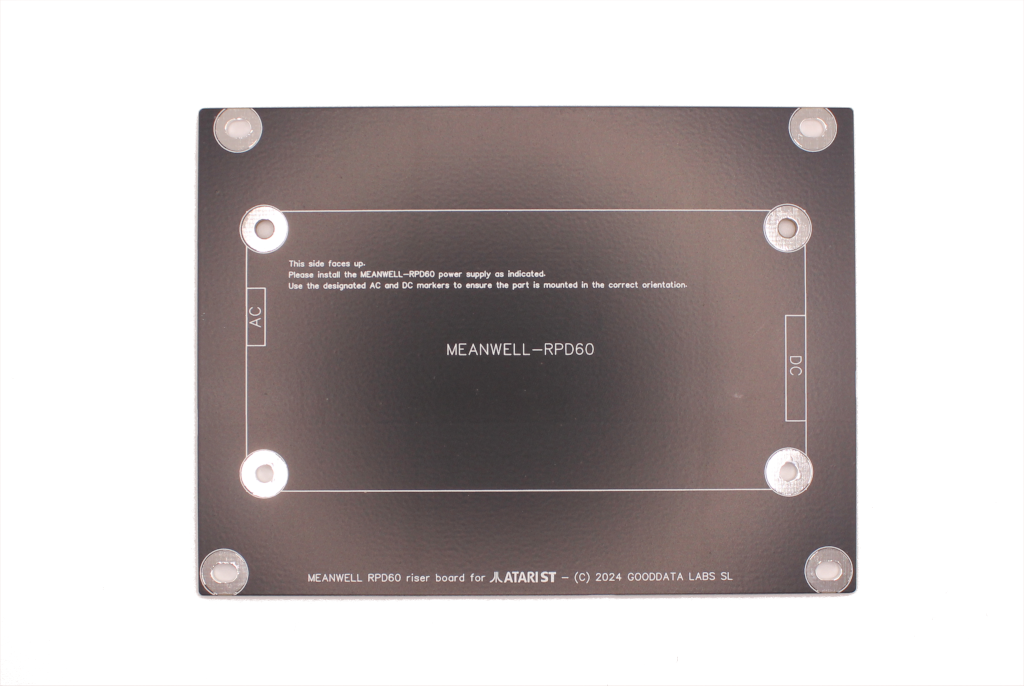
A dedicated riser board mounts the Mean Well unit in the original PSU bay, lined up with the existing case posts. No glue, no zip ties, no improvisation.
Universal AC input on both sides of the pond. The PSU detects 110V or 220V automatically, no jumpers, no manual switching.
Motherboard harness with the right JST and TE connectors, AC input cable and Speak-on terminal block. Everything you need to wire the new PSU end to end.
Designed for the Atari ST, STE and Mega ST original PSU footprint. No bent metal, no plastic surgery on the case.
from €45 plus taxes
The Mean Well RPD-60A is shipped from our stock, in its original packaging.
Step-by-step photos and tips live in the PSU quickstart guide and the SidecarTridge PSU documentation.
| Atari model | Status |
|---|---|
| Atari ST, 1040 STF, STFM | Supported |
| Atari STE | Supported |
| Atari Mega ST | Supported |
| Atari Mega STE | Not supported |
| Atari TT | Untested |
| Atari Falcon | Not supported |
| Atari 520ST (external brick) | Not supported |
The Atari 520ST short uses an external power brick that this kit is not designed to replace. If that is your machine, the External USB-C PD PSU is the right product.
Yes. The Mean Well RPD-60A is a universal-input PSU and accepts anything between 100V and 240V AC at 50/60 Hz. No jumper, no switch, no firmware setting.
Atari ST (520ST internal, 1040 STF, STFM), STE and Mega ST are all supported. Mega STE, Falcon and the 520ST external power brick are not. TT has not been tested.
No. The 520ST short was sold with an external power brick instead of an internal PSU. For that machine, the right product is the External USB-C PD PSU, which is a direct replacement for the original external brick.
The case is held by a handful of screws and the metal RF shield comes off with another few. On the ST and STE only the PSU portion of the shield needs to be unscrewed, on the Mega ST the full shield is removed. Both go back on at the end, so the machine ends up looking stock. With basic hand tools, attention to the AC wiring and 30 minutes of patience, this is a perfectly approachable job for a hobbyist. There are also video walkthroughs online for opening the case.
No. The motherboard side is plug-and-play through the supplied harness. The AC side is wired into the Speak-on terminal block, which is a screw-down connector, not a soldered joint.
Once correctly wired and seated, the Mean Well RPD-60A delivers rails that are well inside the Atari ST family’s specs and is safer than a 40-year-old original PSU running on dried-out capacitors. The risk is in the AC wiring on your side: if you leave a Speak-on screw half-tight, you can easily harm yourself or the machine. Follow the quickstart and double-check the AC connections before powering on.
Yes, if you enjoy tinkering with your Atari ST family, you are comfortable opening the case and you are happy to wire an AC mains input. The SidecarTridge Mean Well PSU Kit is a homebrew product built for hobbyists who want a long-lived, industrial-grade replacement for their original PSU. It is not a sealed appliance and it is not the right pick if you want a fully external, low-voltage-only solution.