






Edit (25 August 2026): There is now an active petition on Change.org calling for an immediate moratorium on cross-border EPR fees for EU micro-businesses. If this matters to you, please consider adding your name. Every signature helps: Stop destroying EU micro-businesses.
Put enough goats on a small island and eventually they will eat it to death.
The grass goes first. Then the bushes. After that they start chewing the bark off the trees. Once the roots are exposed, the rain does the rest. What used to be soil becomes rock.
The goats do not hate the island. They are not trying to destroy it. They just keep eating.
European bureaucracy works in much the same way. It feeds on companies.
Big companies can take the bites. They have legal departments, compliance budgets and people whose job is to read regulations written by people who will never have to follow them themselves.
A small company has a desk with a computer on it. There is probably a soldering iron nearby and an invoice that should have been paid last Tuesday.
This is exactly the sort of company the European Union says it wants more of. Small manufacturers building their own products and trying to compete with Chinese factories or American corporations.
Brussels loves this creature so much that it has decided to eat its legs.
A small hardware company walks into Europe
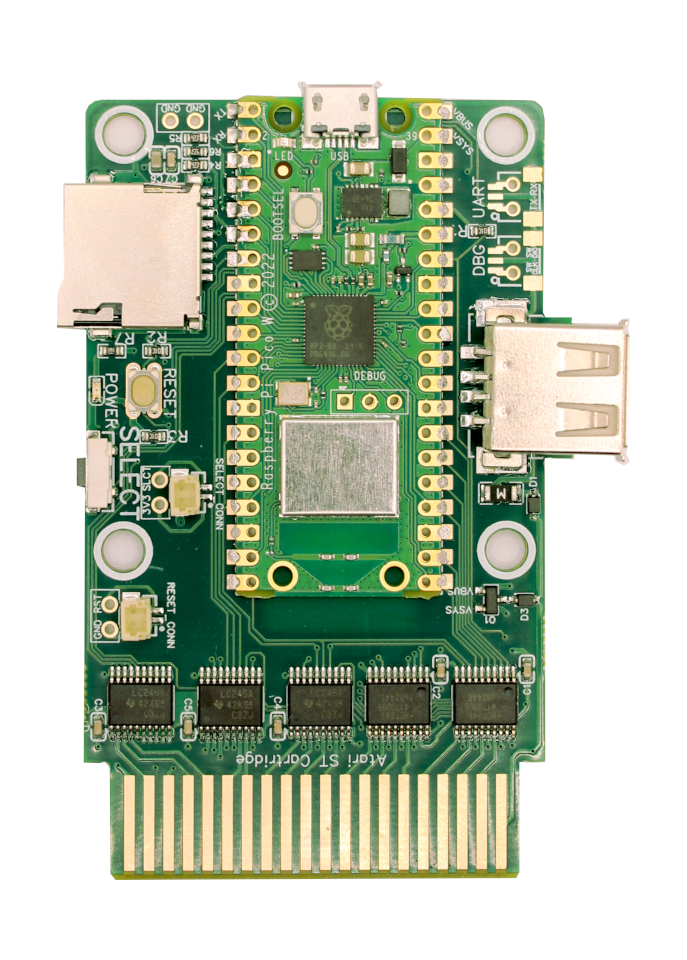
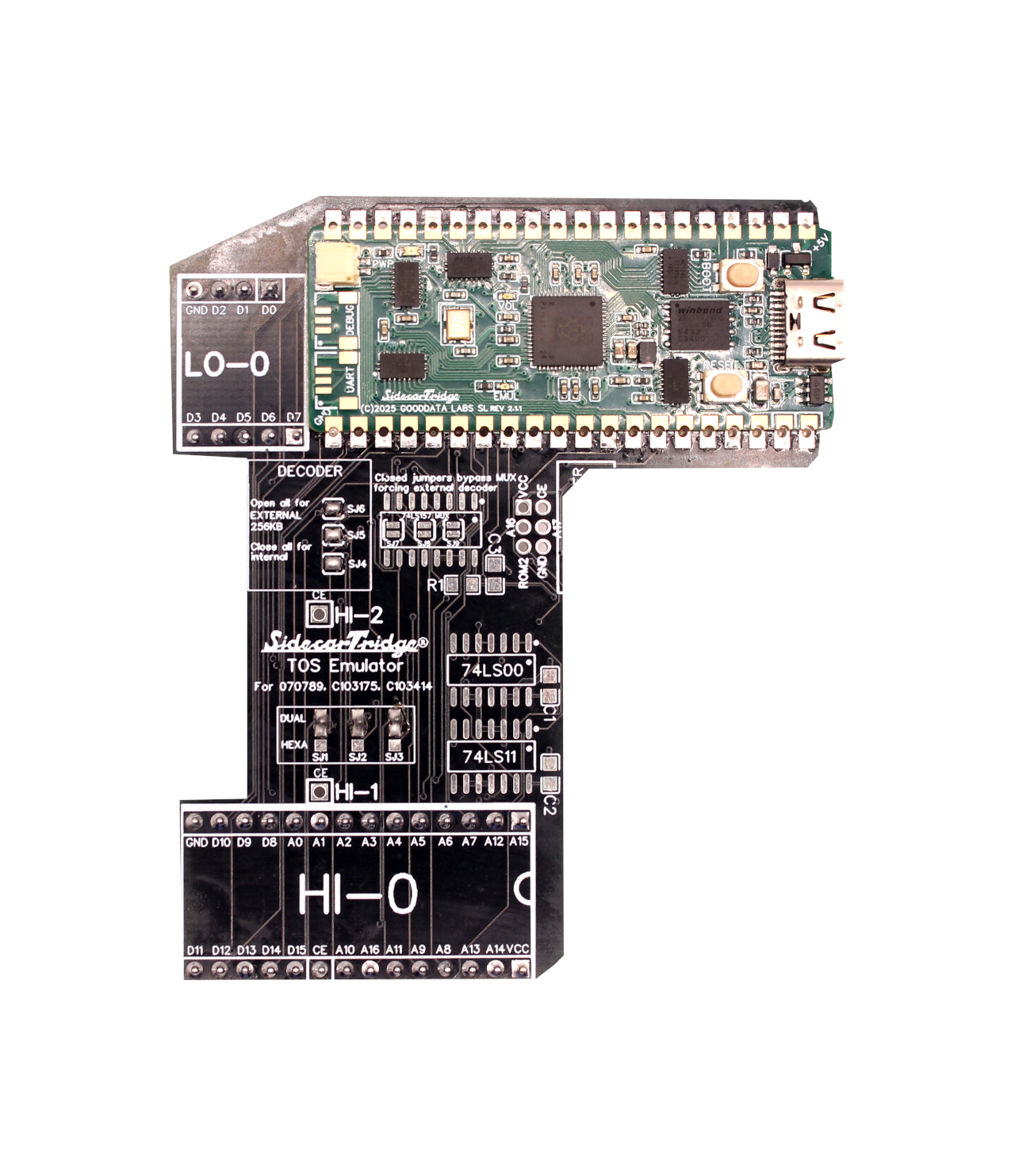
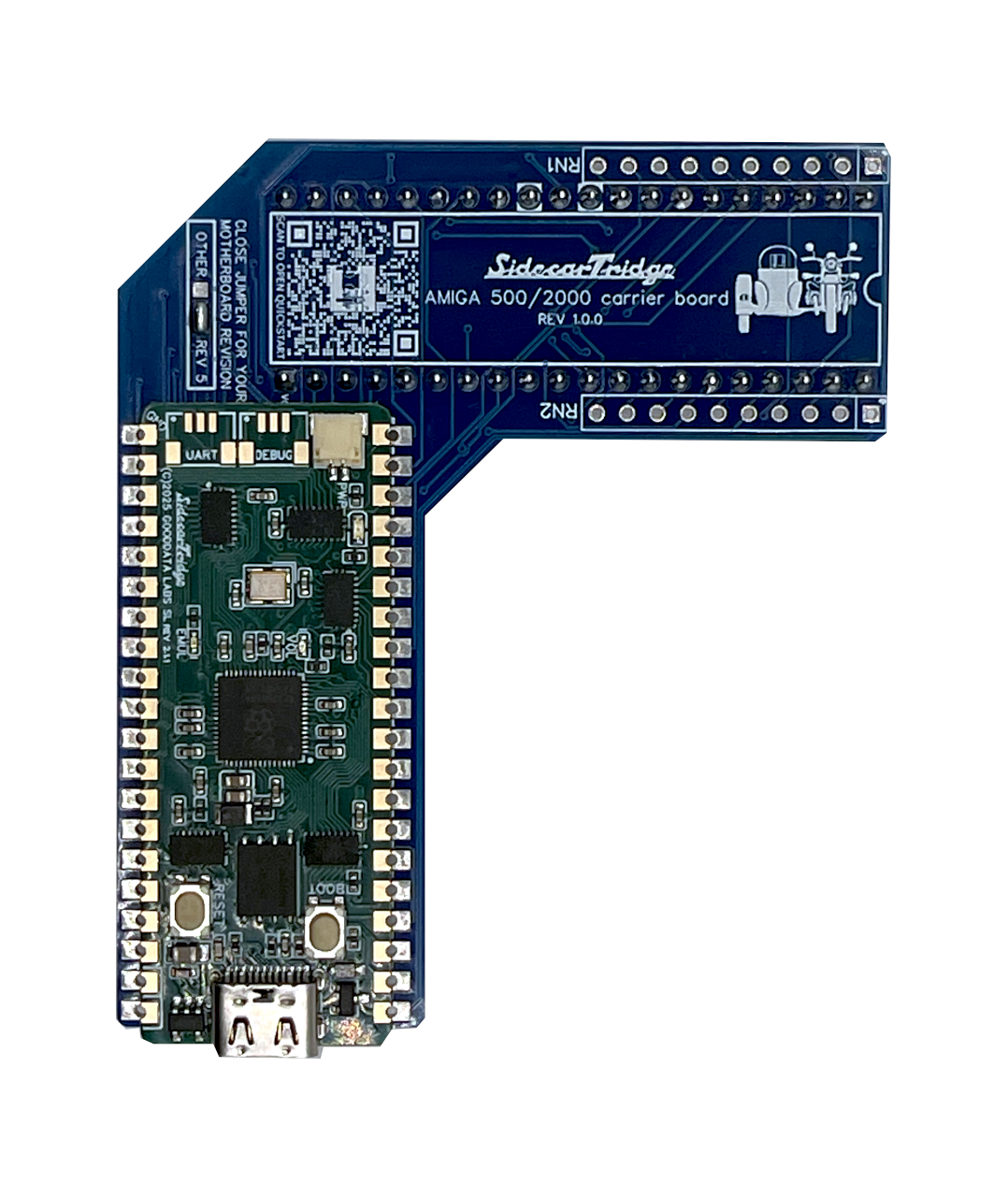
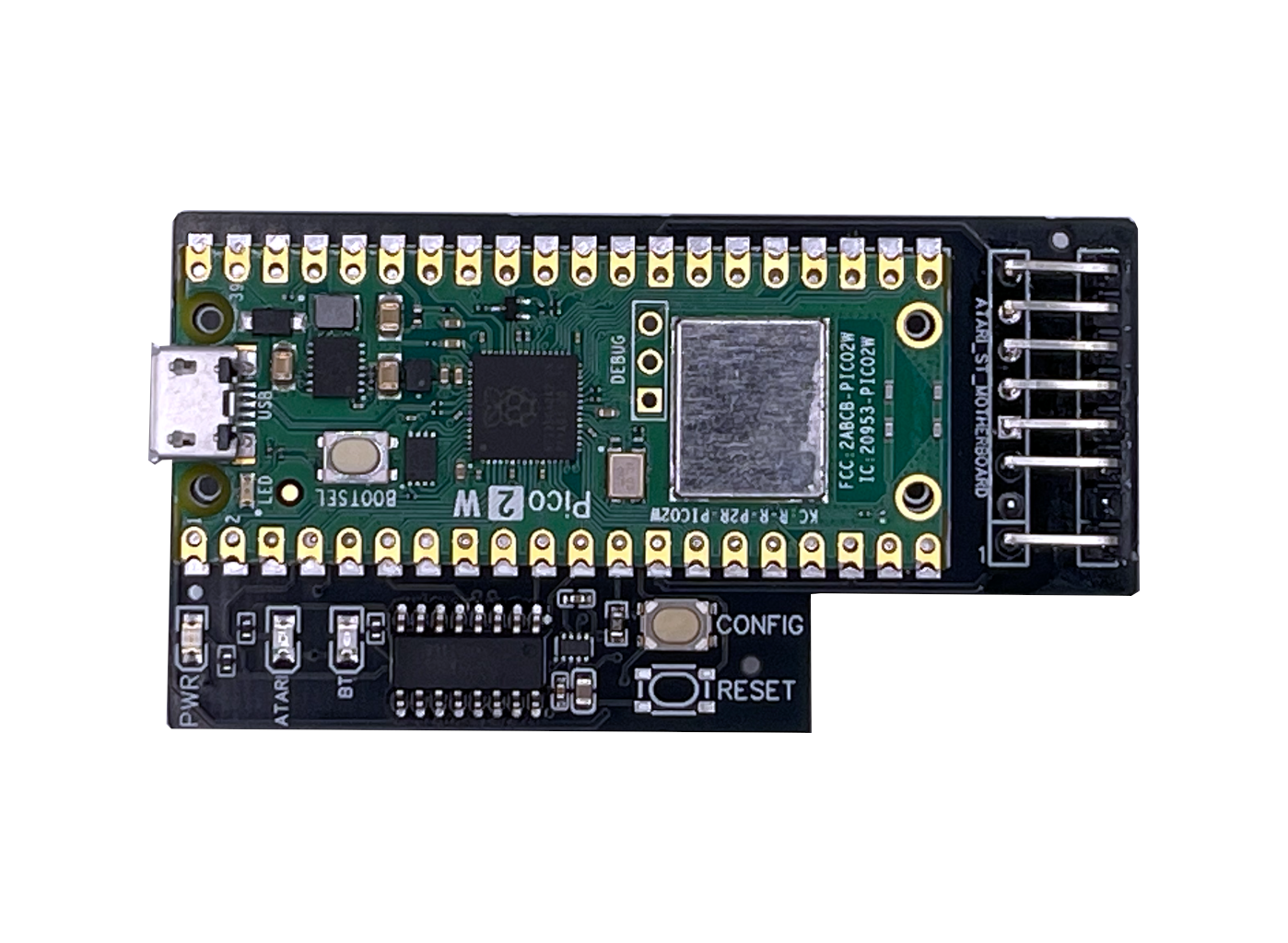
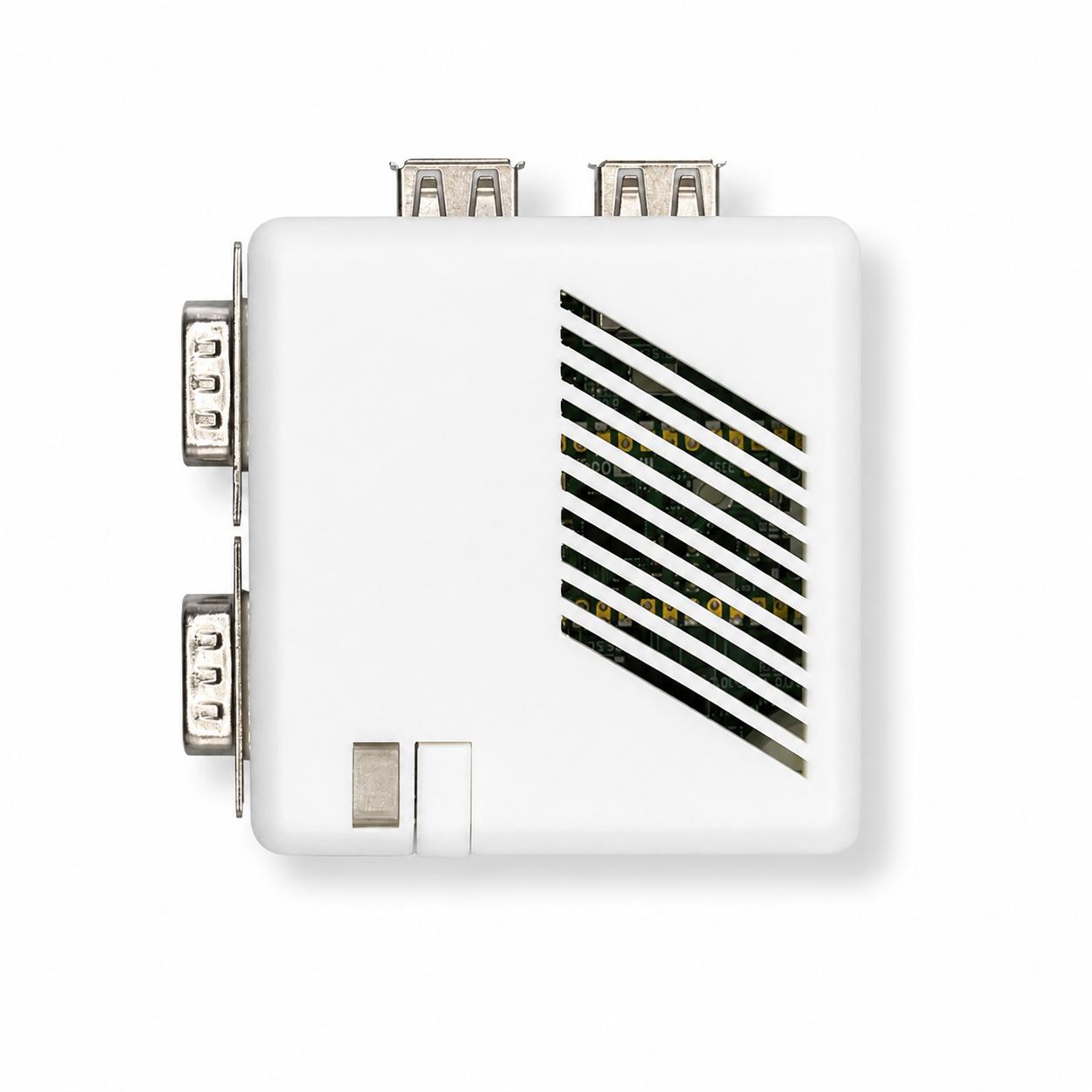
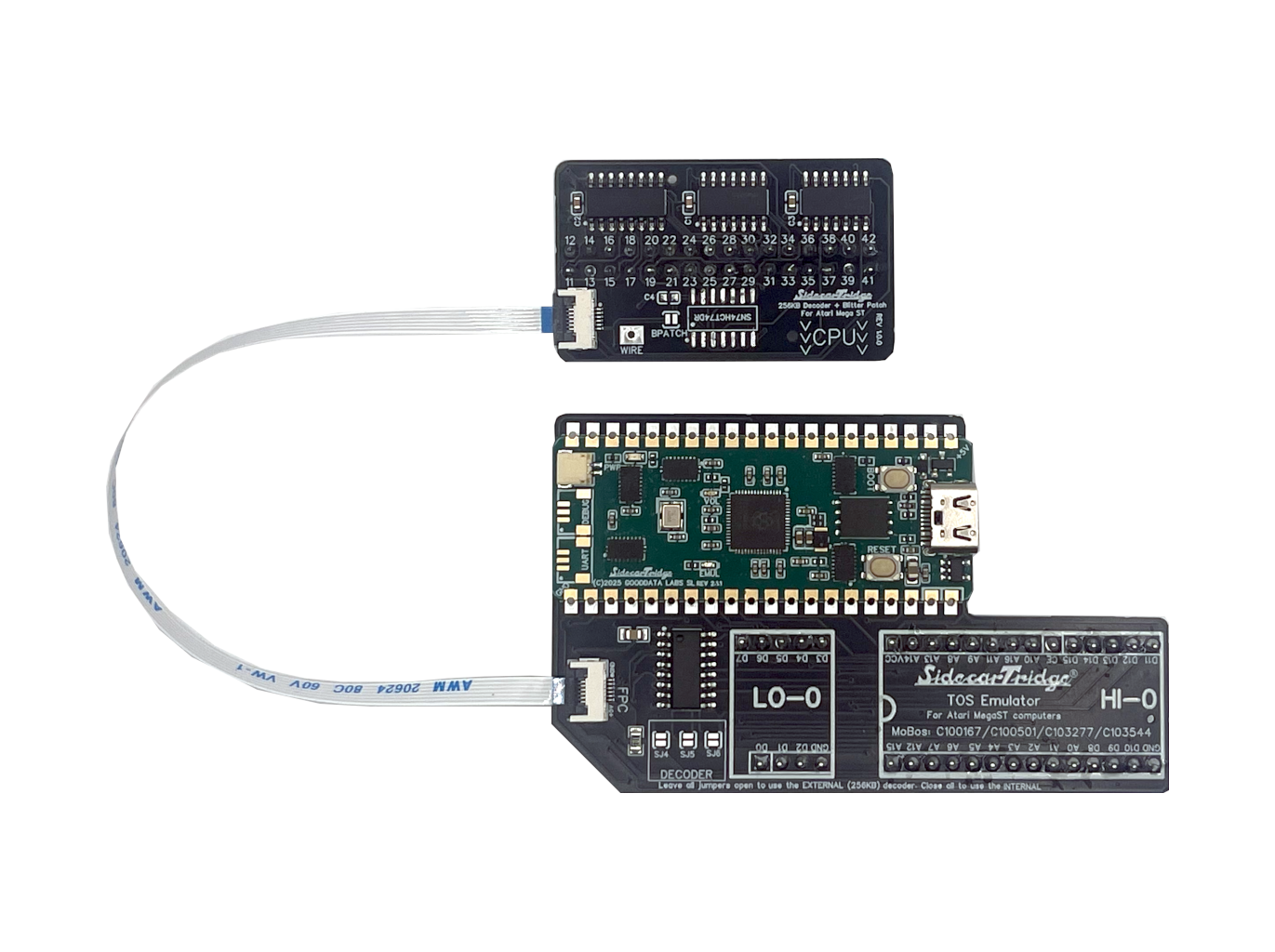
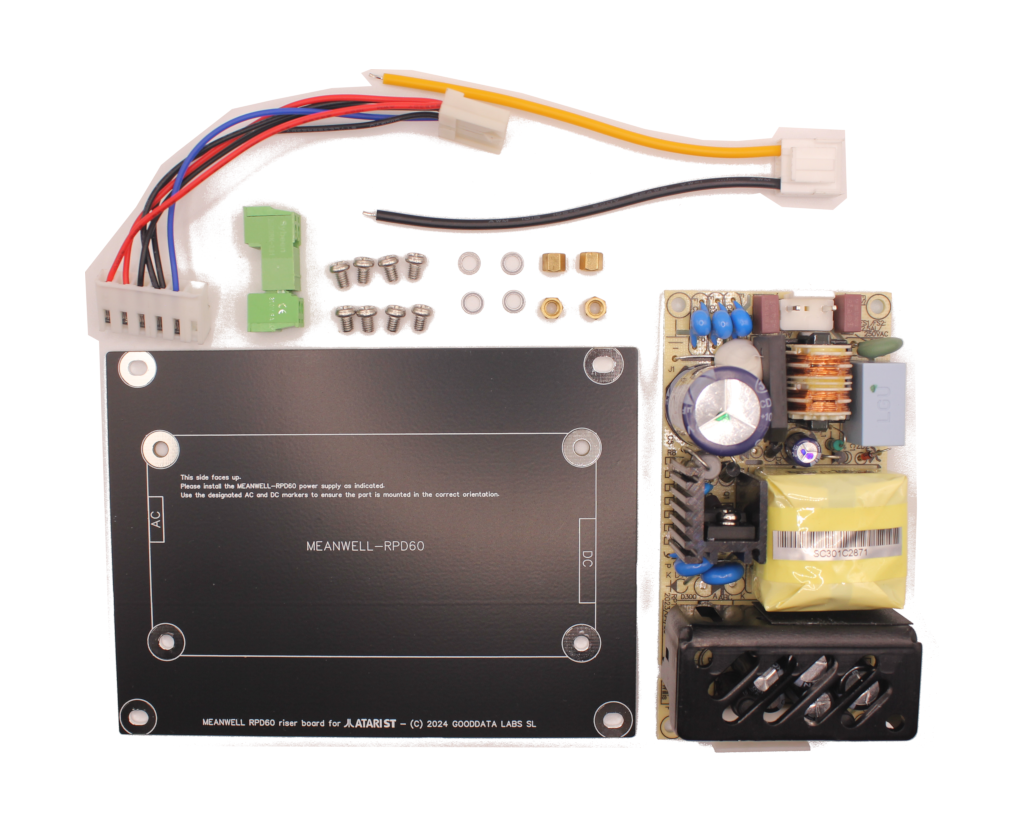
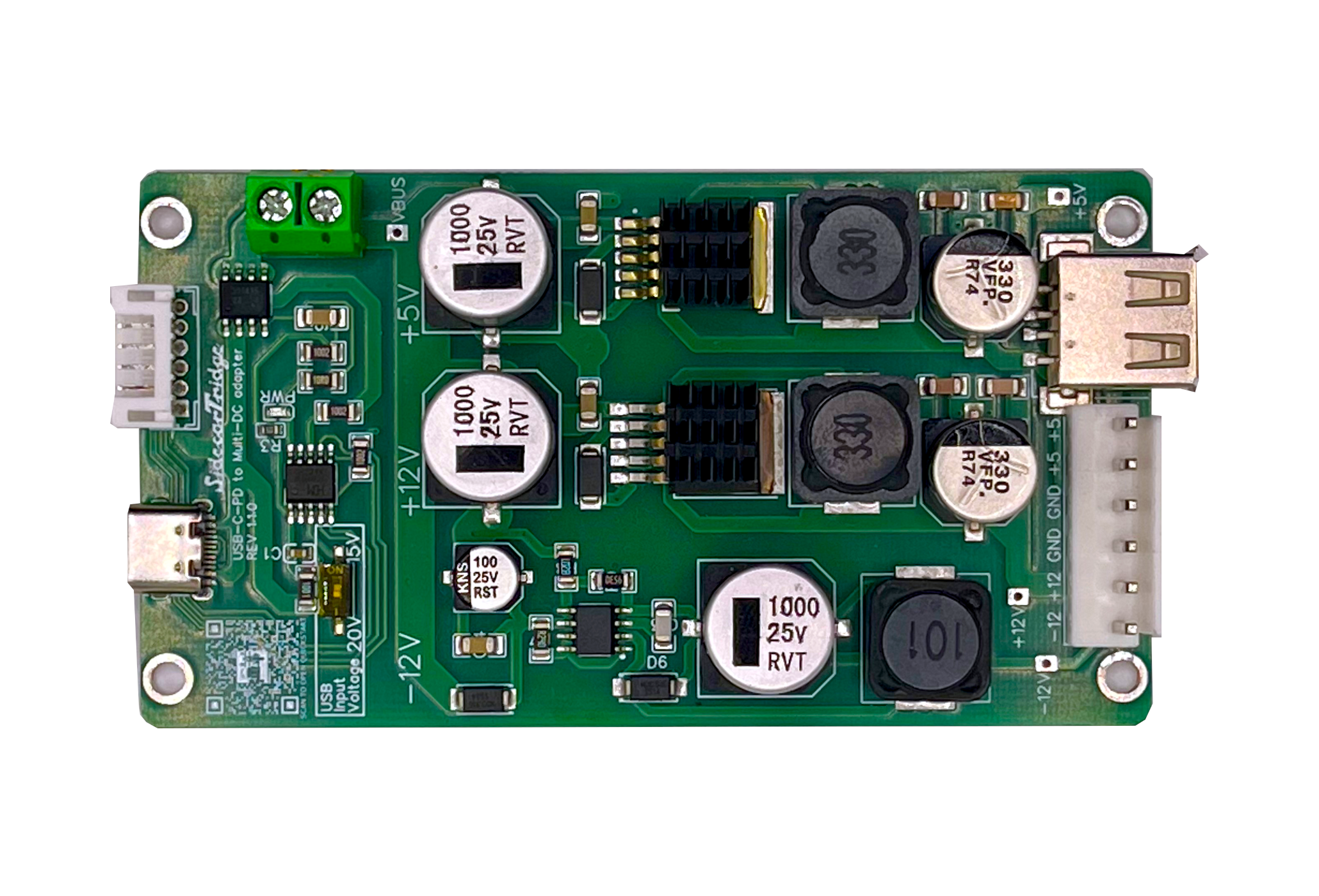
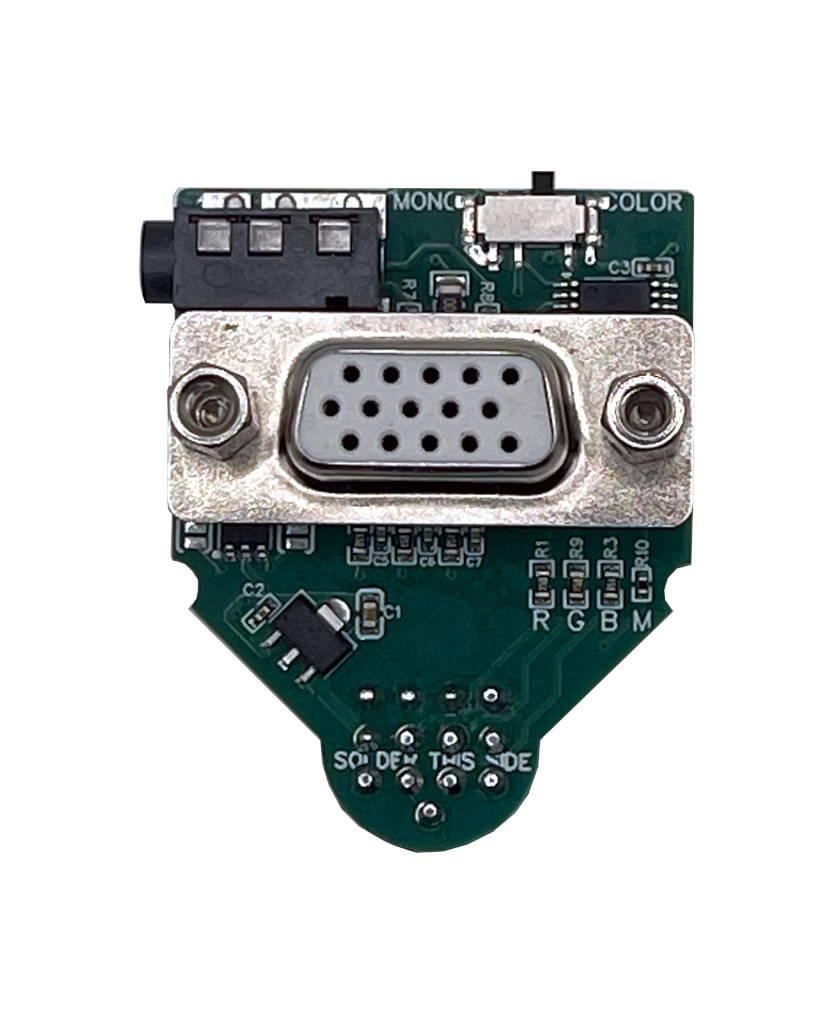
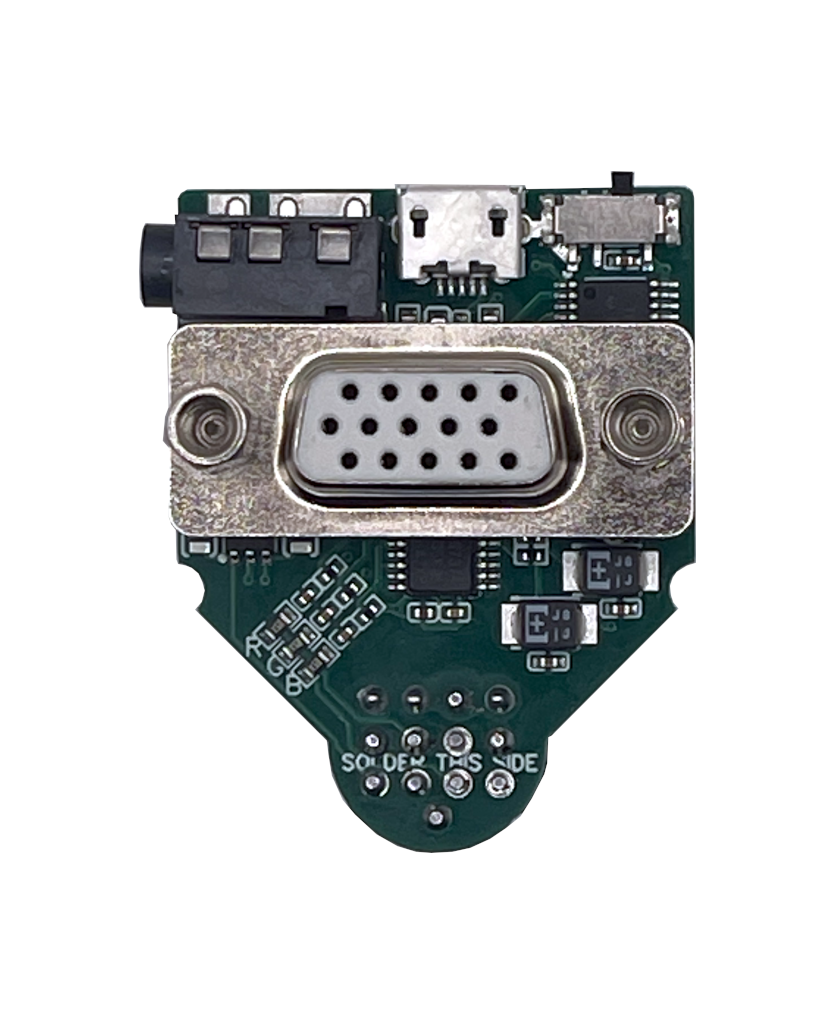
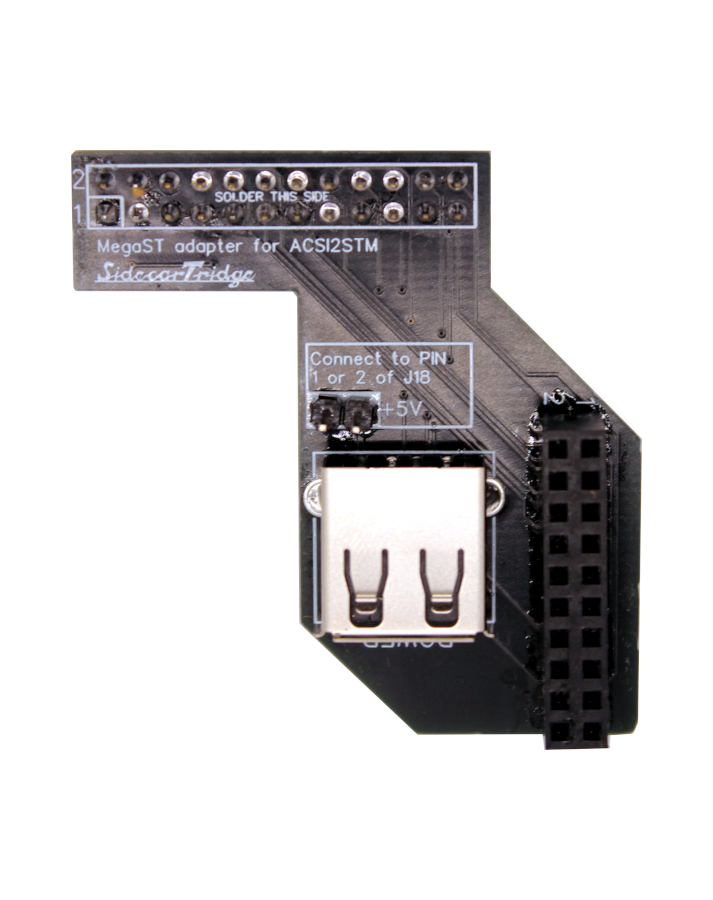
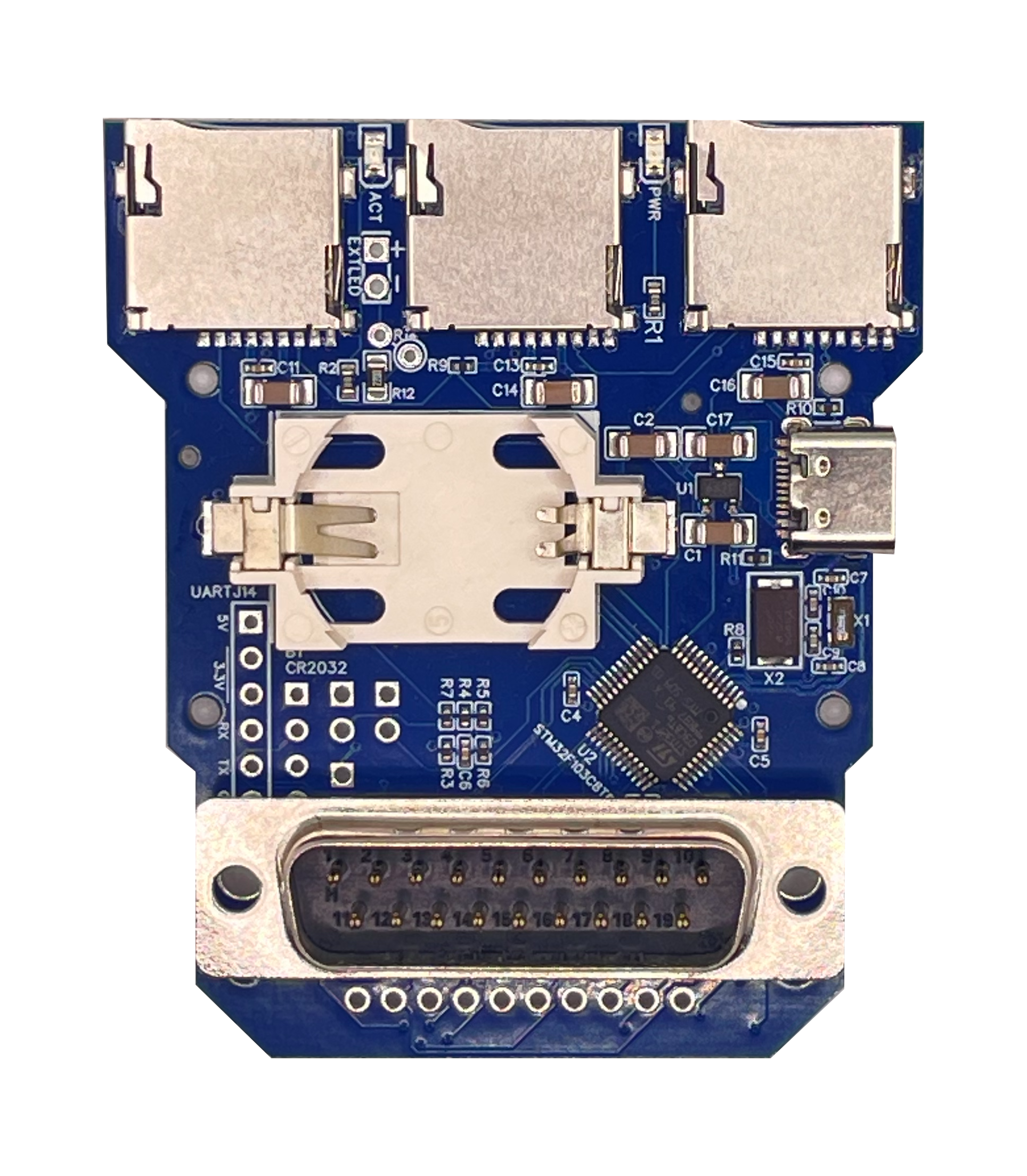
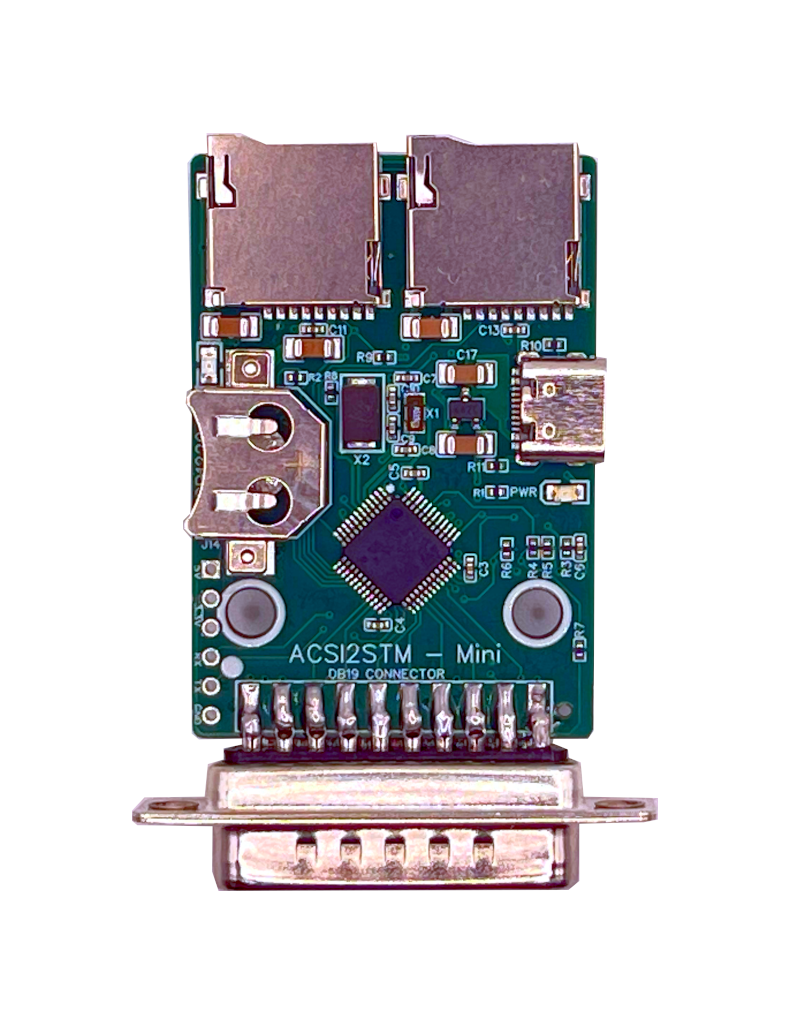
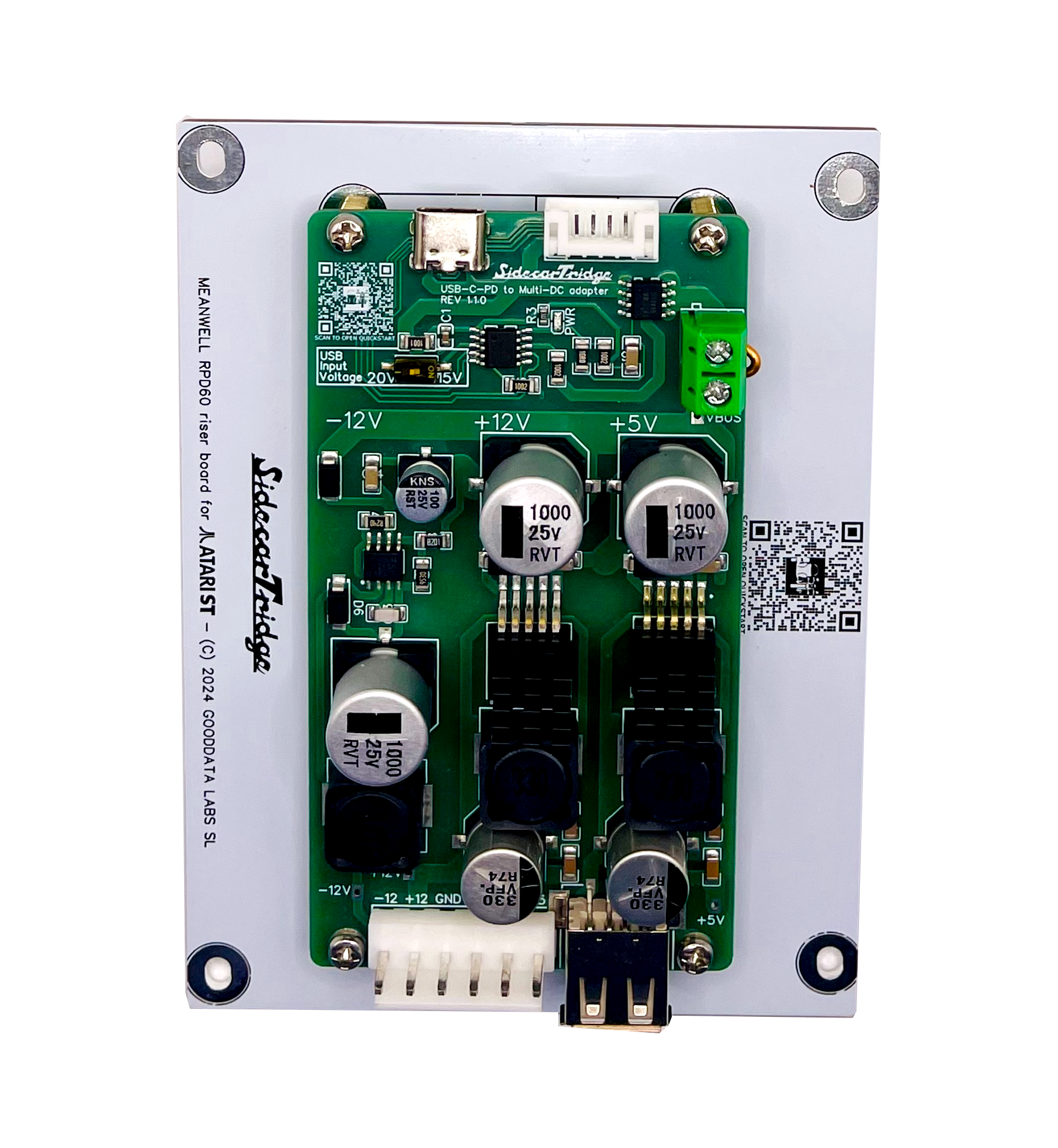
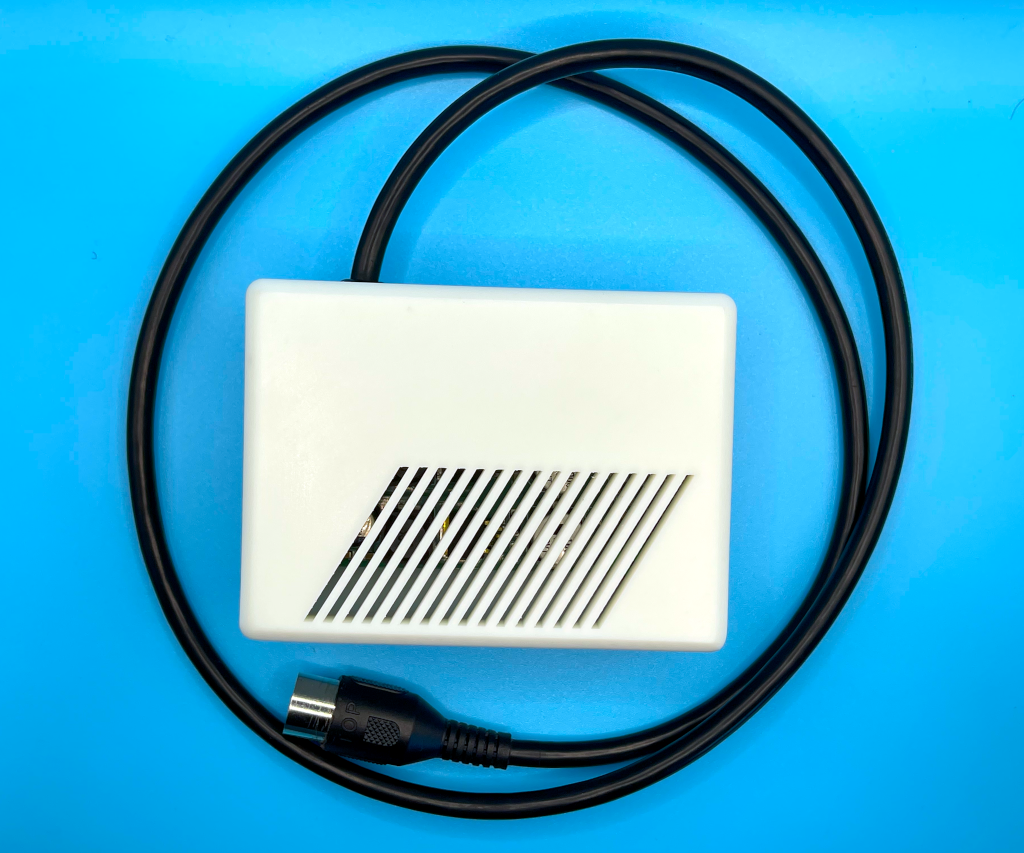
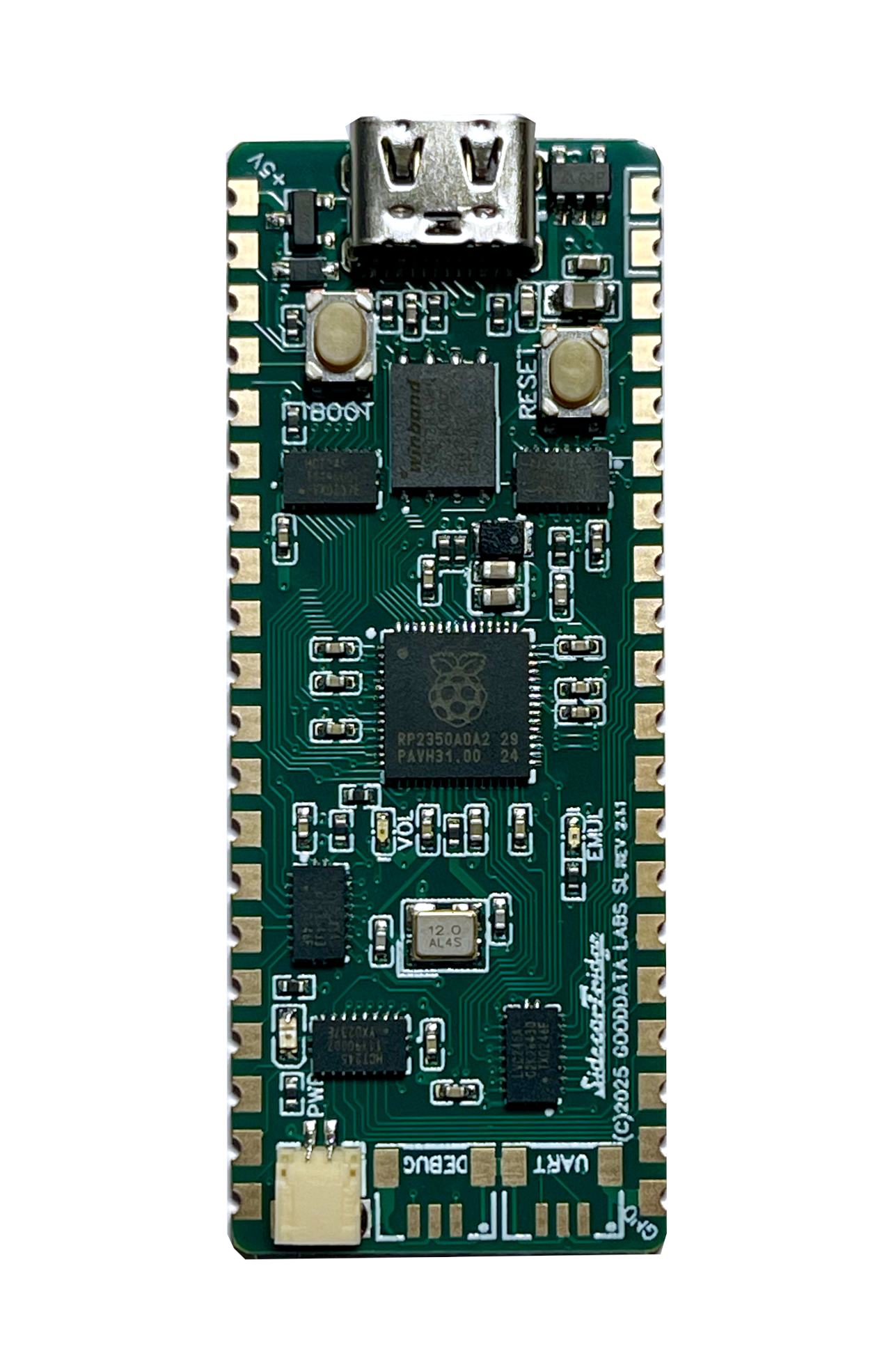
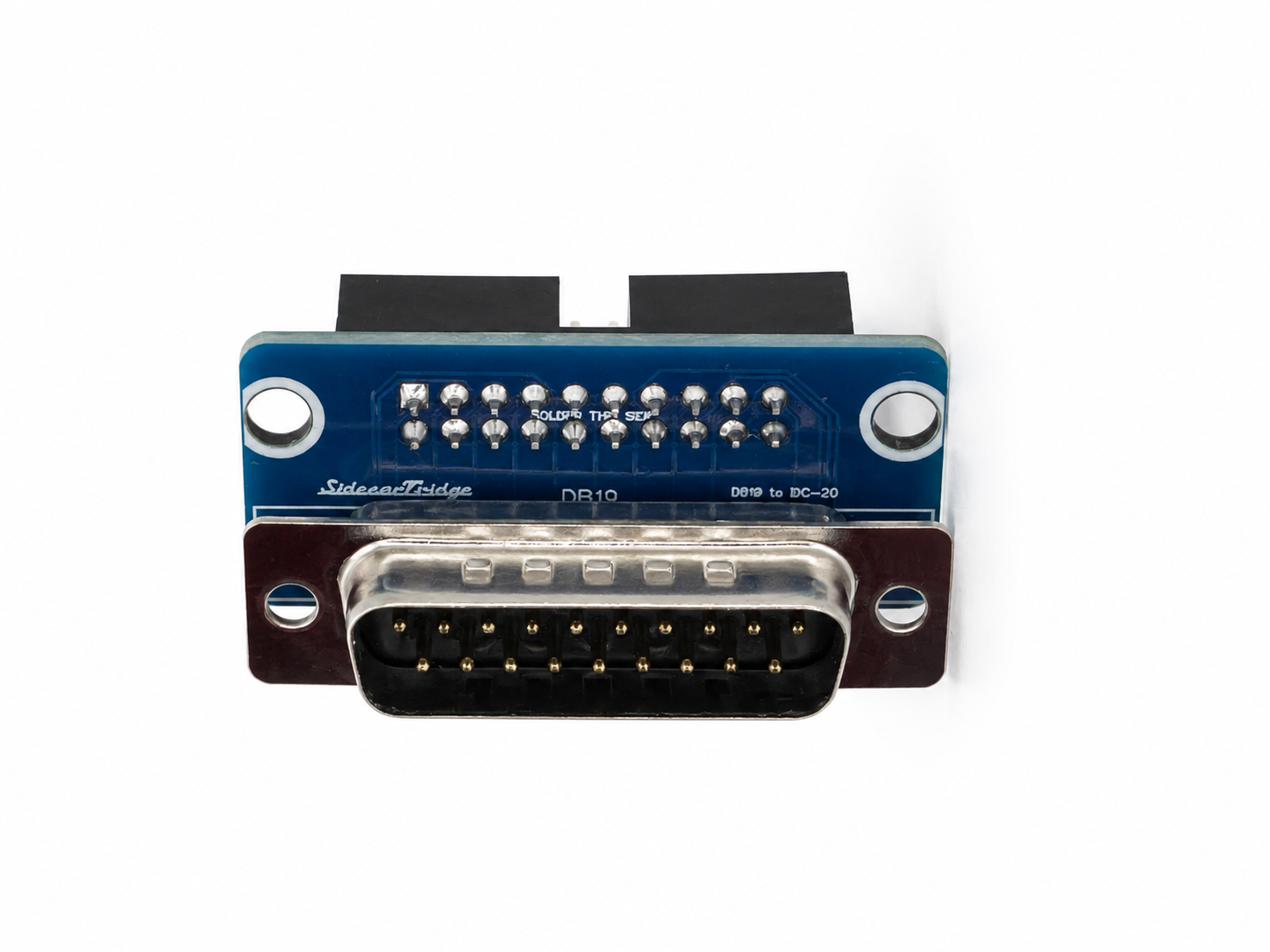
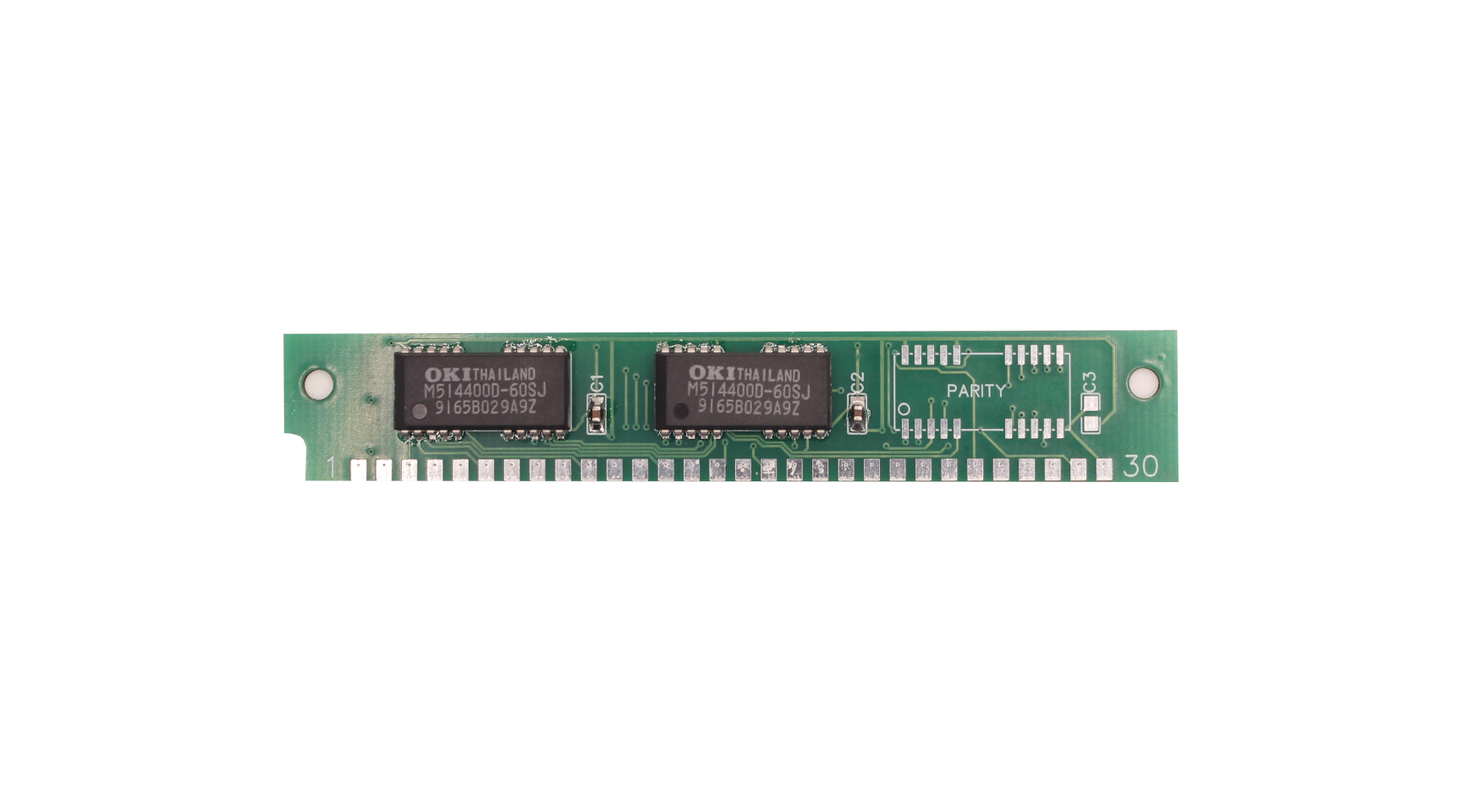
We make little devices for old computers. I make hardware for people who still enjoy switching on machines full of 5-volt TTL chips. The market is small. Very small. SidecarTridge is a boutique, not Zara, and that is part of the charm. A few hundred people around the world find one of my boards useful, send me money and receive a small package from Spain.
It sounds simple because it is simple. Or at least it was, before the European Union introduced the Packaging and Packaging Waste Regulation, better known as PPWR.
The idea behind the regulation sounds reasonable. If you put packaging into a market, you should help pay for the waste it creates. Fine. Nobody wants mountains of cardboard or plastic piling up everywhere.
But Brussels could not stop there.
Under Article 45 of the PPWR, a producer based in one EU country that sells packaged products directly to end users in another may have to appoint an authorised representative for extended producer responsibility in the destination country.
Not one representative for the European Union. One in every Member State where the company sells.
A company in Spain selling directly across the EU may end up needing representatives in the twenty-six f*cking other countries.
That means twenty-six separate contracts. Twenty-six organisations that expect to be paid before I can legally send someone a small cardboard box.
Then come the national reporting systems. Different forms, different websites and different languages. Some are so badly designed that even ChatGPT gives up trying to understand them.
The box itself may contain a circuit board weighing less than a sandwich. In some countries, I sell one or two devices a year. I have more middle fingers than customers there.
The regulation does not care.
The cardboard crossed a border. Now it needs a local representative with an invoice.
This is called harmonisation.
I call it closing the shop with better stationery.
Everybody knows it is insane, but they don’t give a f*ck
The European Commission eventually noticed the problem and proposed suspending the representative requirement for EU-based companies until 2035. It admitted the rule creates extra cost and paperwork for companies selling across borders.
Then an overwhelming majority of Member States opposed the suspension, and the Council stopped working on it.
So the institution that proposed the rule admits it is a problem, while the governments talking about European competitiveness have decided to keep it.
The goat is still chewing.
And now what?
My 2026 sales look roughly like this:
| Market | Share of sales |
|---|---|
| United States | 23.25% |
| Germany | 20.11% |
| Rest of the European Union | 33.65% |
| United Kingdom | 13.54% |
| Spain | 2.22% |
| Rest of the world | 7.23% |
A third of my sales go to EU countries outside Spain and Germany. That is not a market I want to abandon.
Then I added the cost of PPWR representatives and the national EPR recycling schemes. In some countries you have to pay for both.
The result was simple: the total revenue from those twenty-five countries is lower than the cost of staying legally compliant there.
Revenue, not profit. I still have to build the device, ship it and pay taxes.
The spreadsheet does not care about speeches on the single market. It just does the maths.
I have to stop shipping to every EU country except Germany and Spain.
Germany stays because sales are large enough to cover the extra cost. Spain stays because the company is established here and I already comply with the local EPR system.
For everywhere else, a few orders cannot justify a permanent compliance bill just to send someone a circuit board.
So on 12 August 2026 I will remove those countries from the Shopify shipping list.
I would much rather spend that time designing hardware.
There is still a small chance this changes. The Council has dropped the broad suspension, but the European Parliament is considering a narrower exemption for micro and small companies. A vote is expected around October 2026.
That would probably solve the problem for SidecarTridge. But I cannot run a company based on something politicians might approve later.
For now, the cost of legally sending a small box across the European Union has become greater than the money inside it.
The future of SidecarTridge as a company in Europe is doomed
There comes a moment when the problem is no longer one regulation. It is what happens when you put all of them together.
For a small maker, running a company in Europe is becoming hard to justify. Import costs from China have gone up, and products sold outside the EU can effectively be hit twice by import duties. First when parts or finished devices enter Spain, then again when the package reaches the customer outside Europe. On top of that come compliance costs and the new EPR bills. Shipping directly from China starts to look cheaper simply because the product does not need to make an expensive stop in Europe first.
I have run companies overseas before, so I will probably start looking at whether SidecarTridge should be incorporated somewhere more friendly to small businesses. That would not make every European obligation disappear, but it might make running the company itself less painful.
It also changes the way I think about future products. I may stop designing devices that need final assembly or packaging in Spain. If a product cannot leave the factory in China finished and ready to ship directly to the customer, perhaps it should not exist.
That sounds ridiculous for a European company, but the numbers are pushing me there. Future SidecarTridge hardware may need to be designed around full outsourced manufacturing in China from day one.
Am I thinking about shutting SidecarTridge down? Not really. SidecarTridge is not my main source of income, or even close to it. It started as a hobby that got slightly out of control.
I enjoy designing things and seeing people use them. I also enjoy selling them. There must be some Phoenician DNA still floating around in me.
So giving up is probably not what will happen. I am more interested in figuring out how to work around this mess. Maybe that means an overseas company. Maybe it means changing what SidecarTridge builds and how it sells it. I have no idea yet, which is partly what makes it interesting.
What bothers me more is what all this says about Europe.
I belong to a generation that really liked the European idea. Countries that had spent centuries fighting each other finally deciding that working together was better. The differences between us were never as important as we liked to pretend.
I still believe in that idea.
But the European project we have today feels tired. Many of the political decisions made over the last twenty years have left us with an economy that grows slowly and regulates quickly. We are now discovering what that costs.
Europe says it wants more technology made here. Yet for a tiny hardware company like mine, the sensible response to European regulation may be to incorporate somewhere else and manufacture everything in China.
The goat is no longer eating the bark.
It is eating the roots.
Cover image: photograph by Ouka Leele (Barbara Allende Gil de Biedma) for the debut album of the band Ilegales. Copyright belongs to the photographer’s estate and the band’s respective rights holders, and is used here for illustrative purposes only.