Amiga 500 rev3 and rev5, Amiga 2000 rev4.2 and earlier
from €45 plus taxes
- Amiga 500 motherboard rev3 and rev5
- Amiga 2000 motherboard rev4.2 and earlier
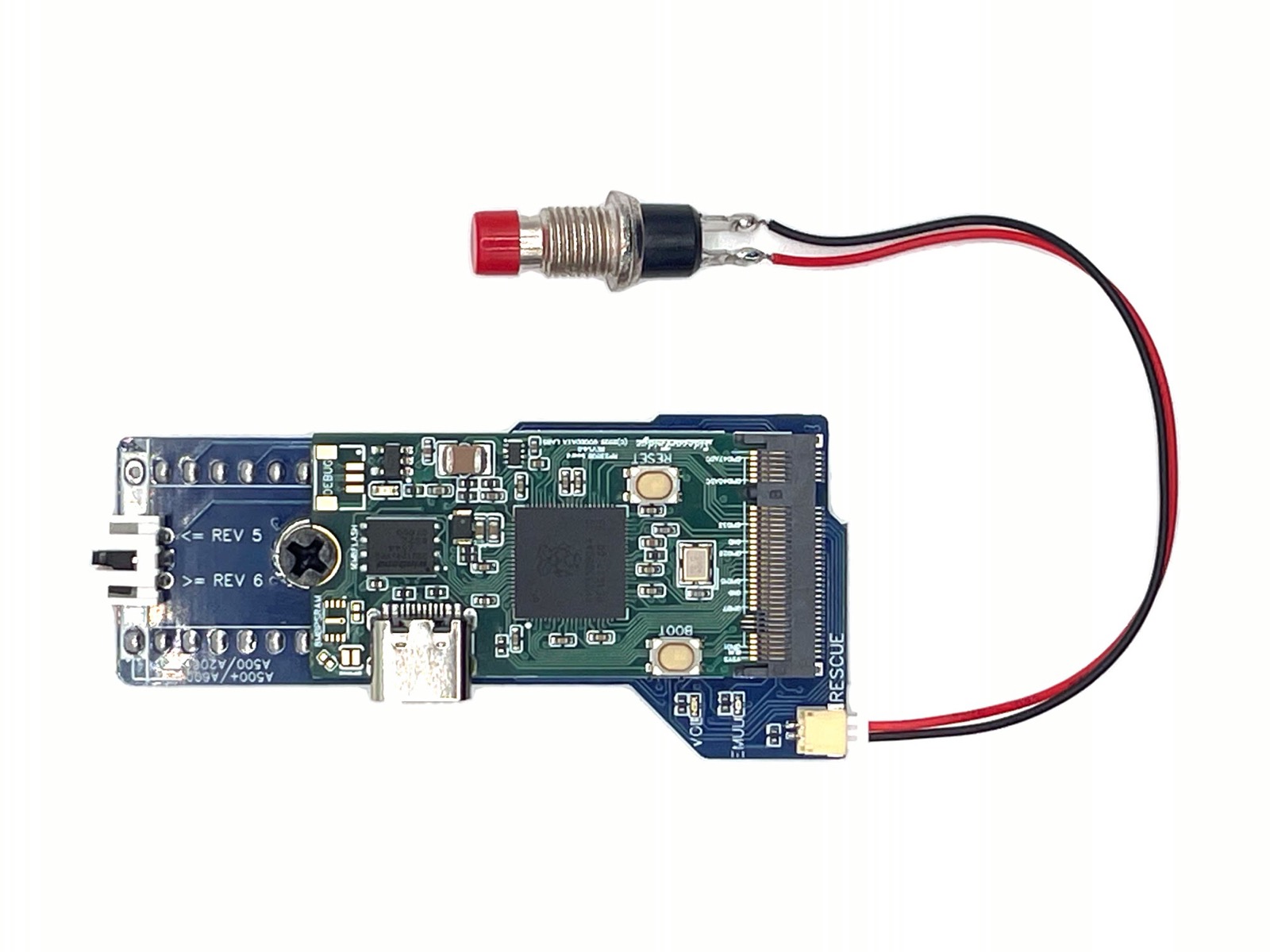
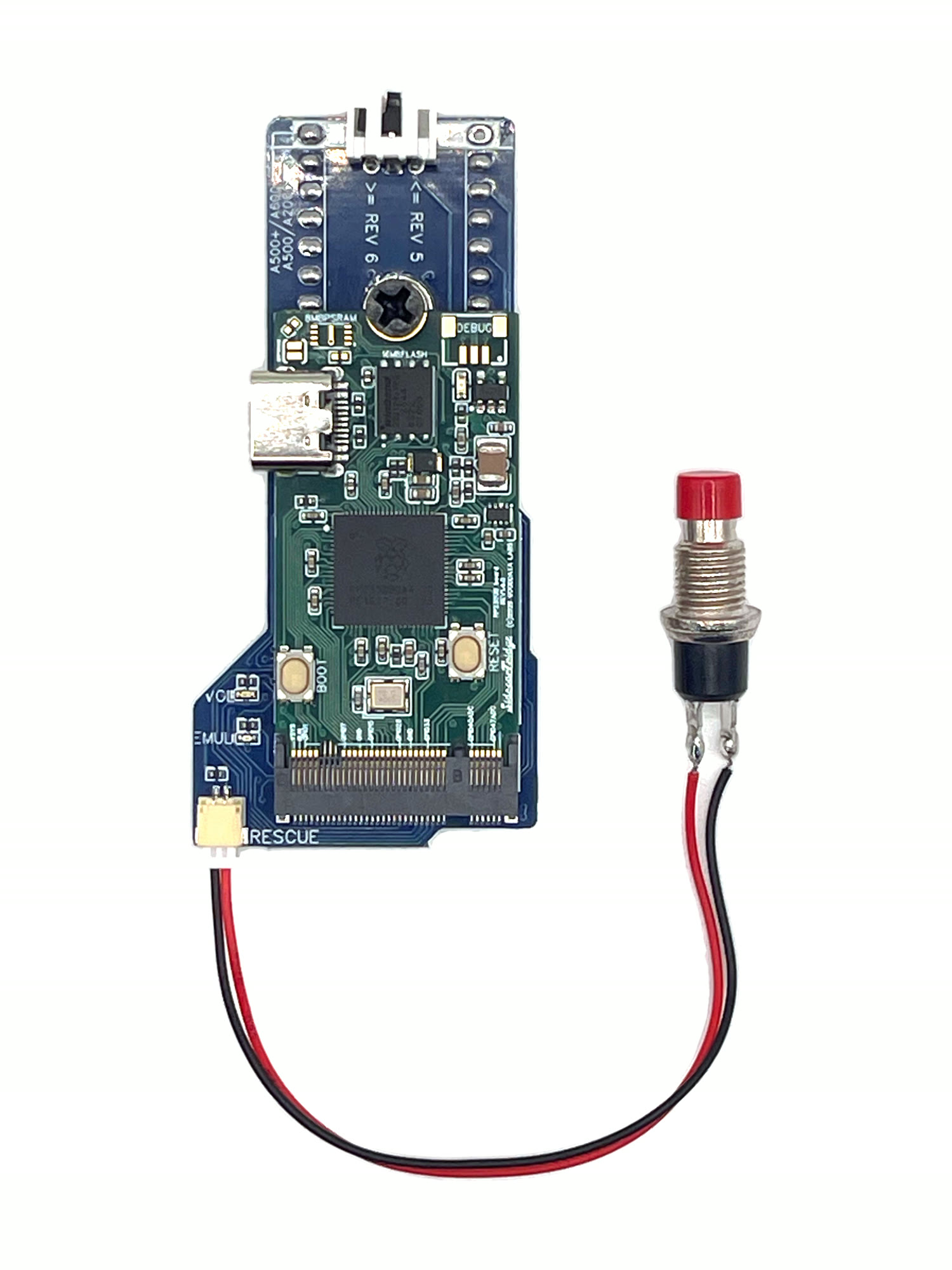
- ROM Emulator board revision 4 (RP2350B) on the carrier board, plus the RESCUE cable and button




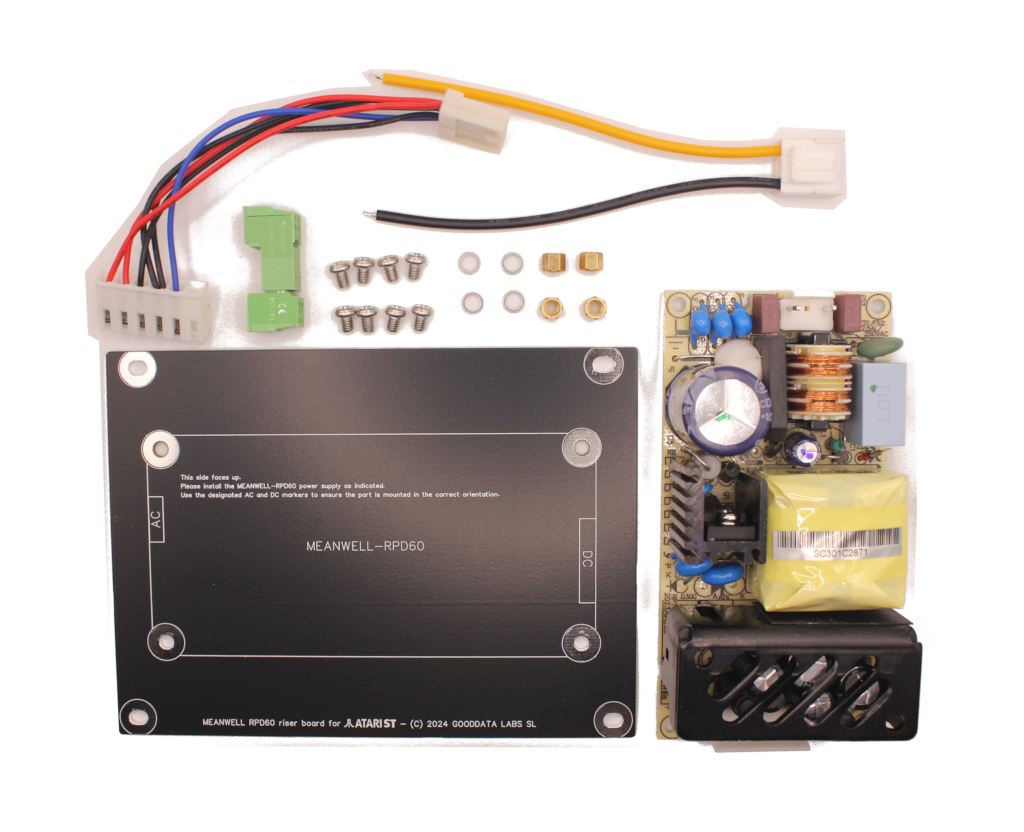
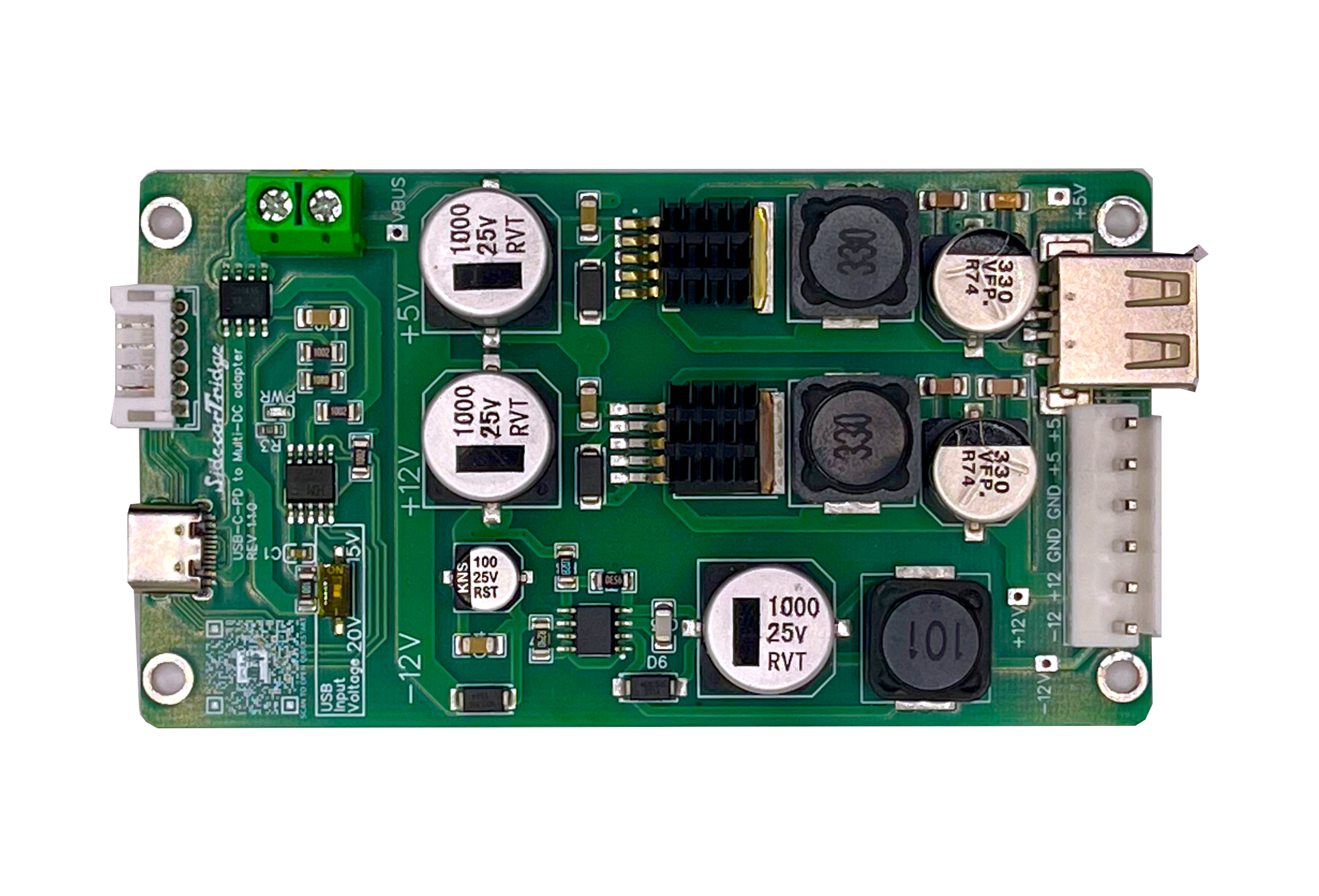
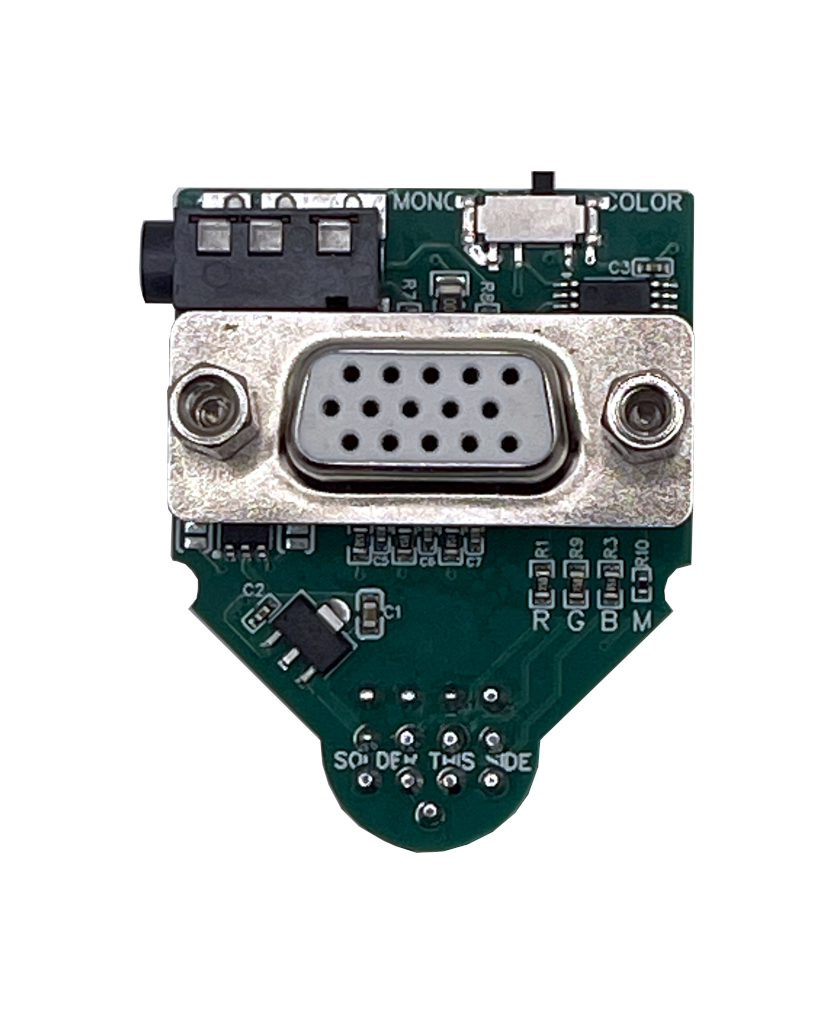
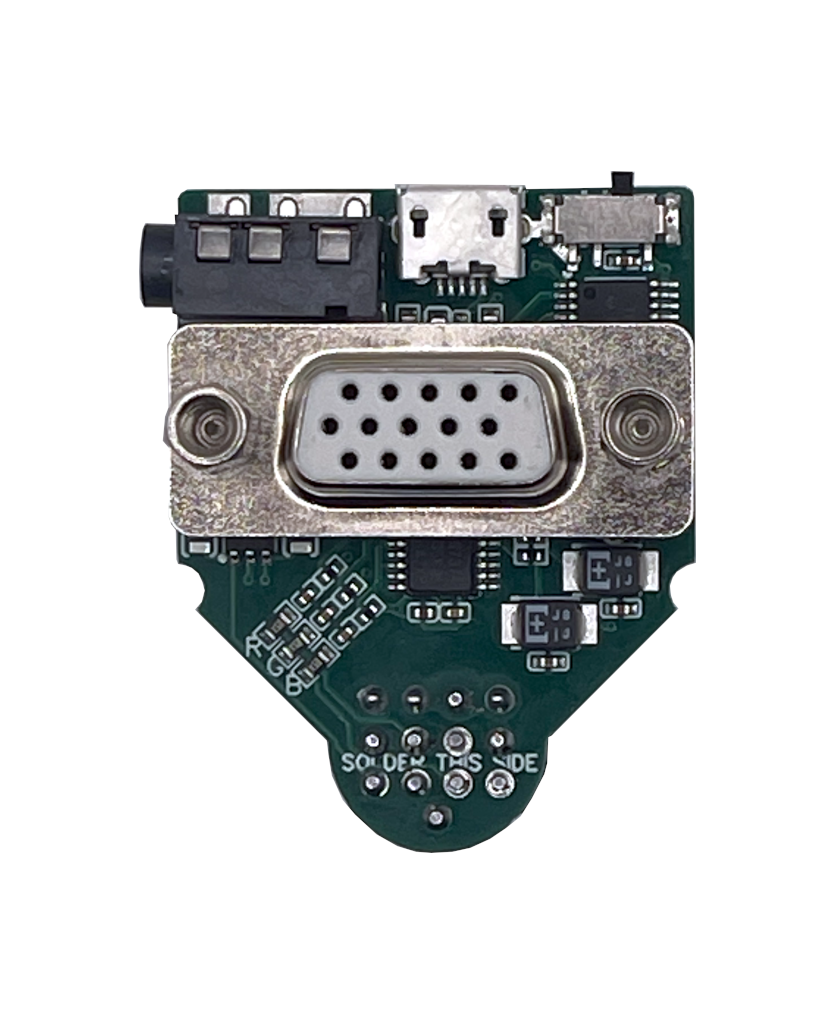
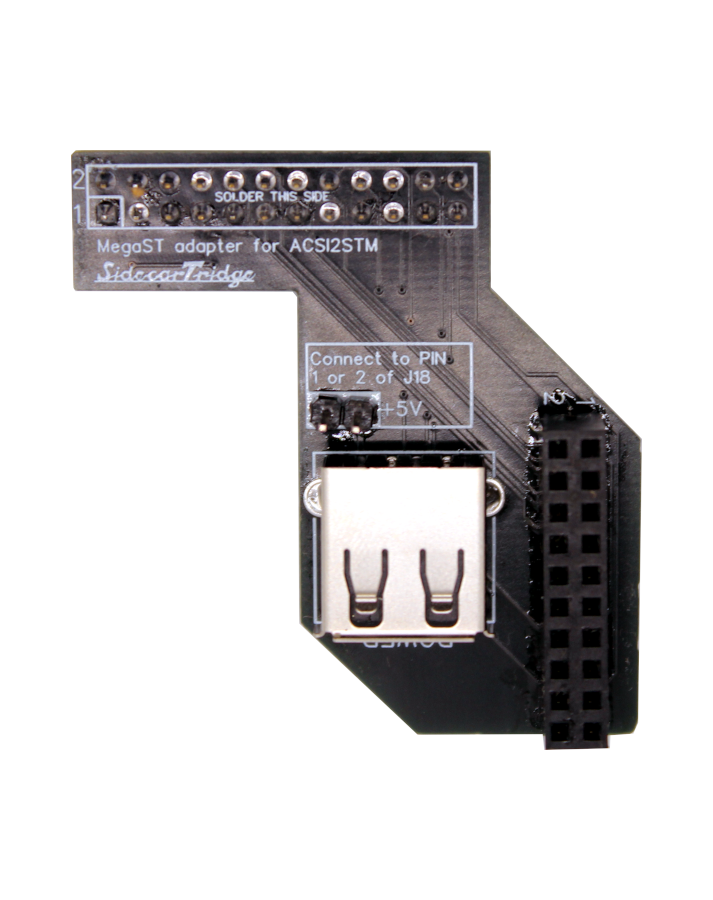
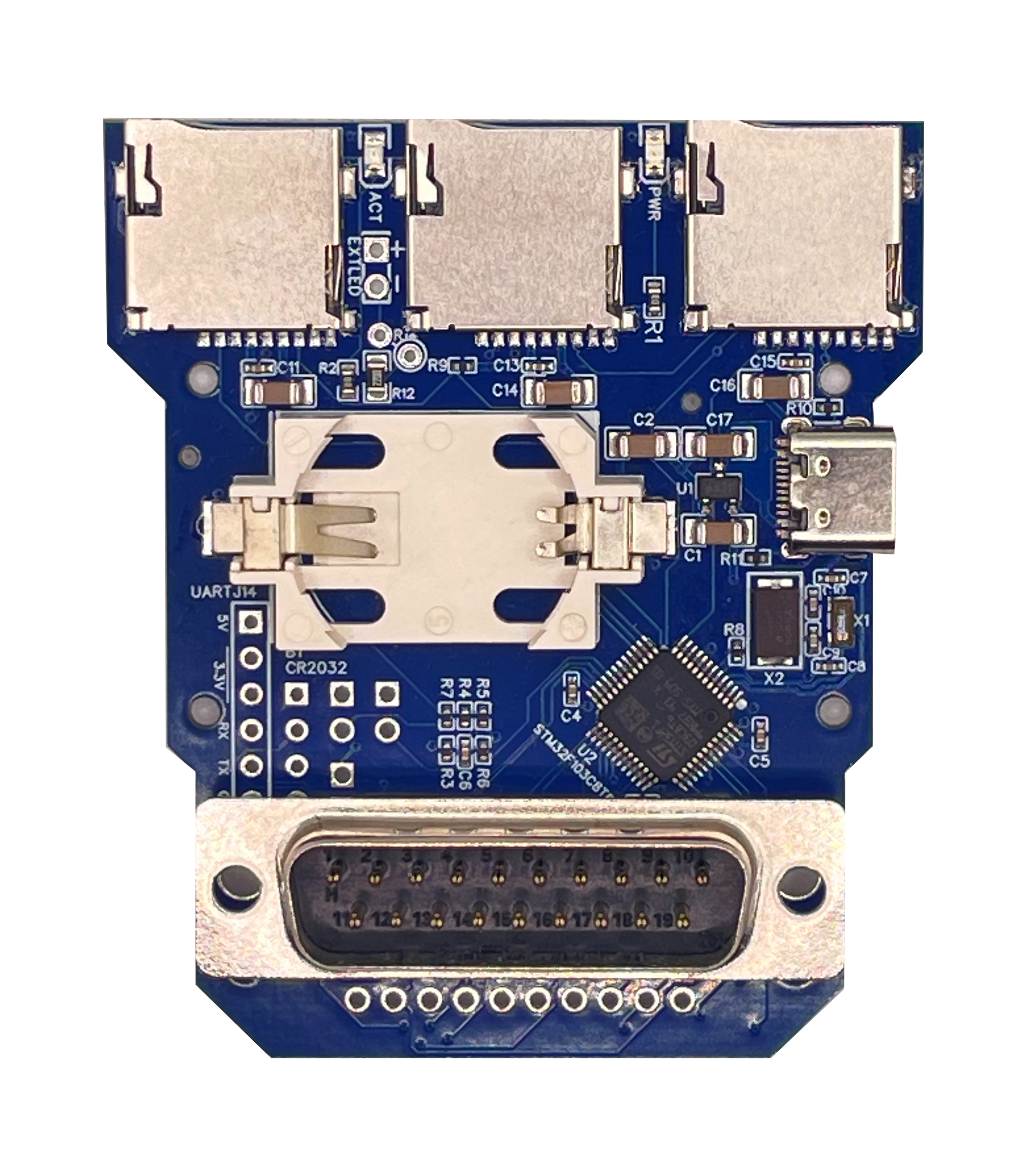
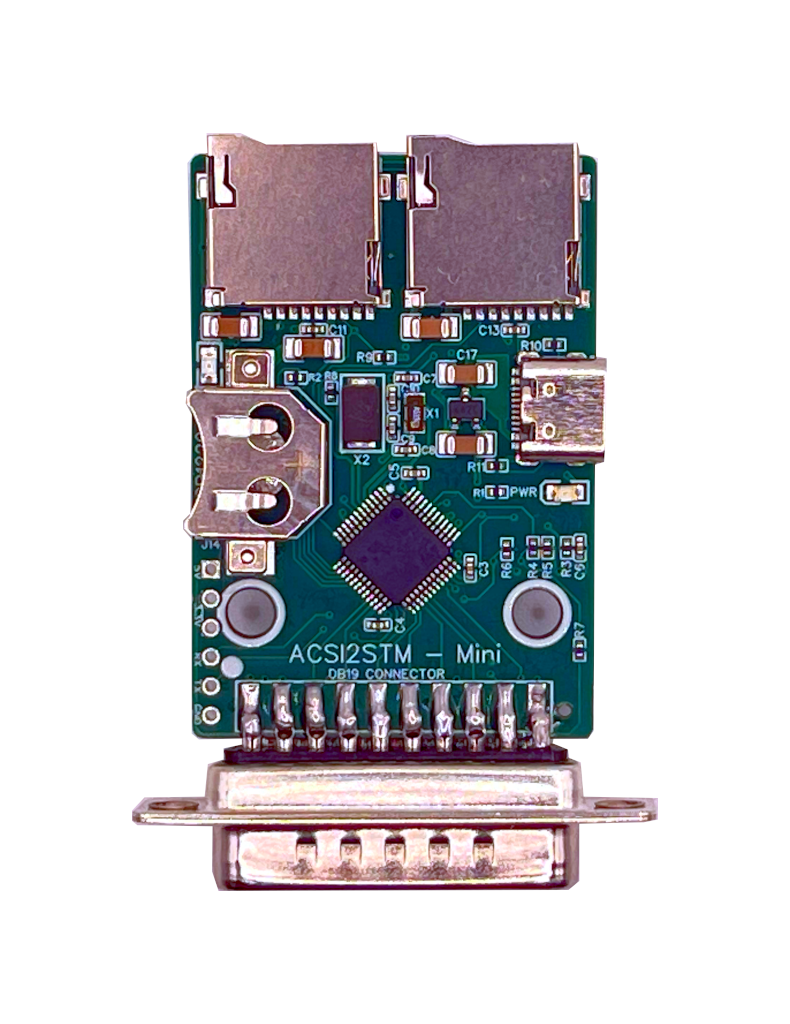
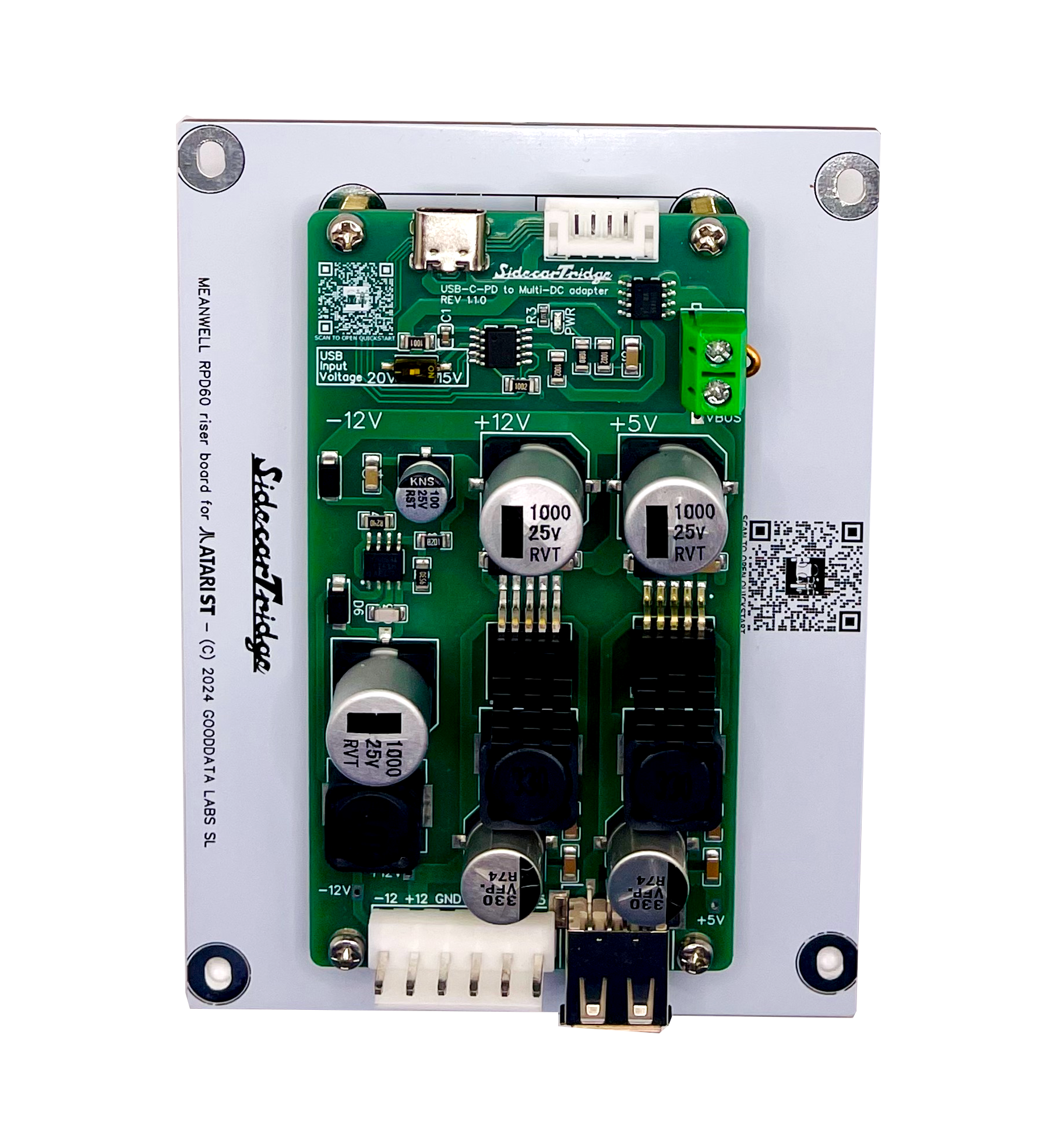
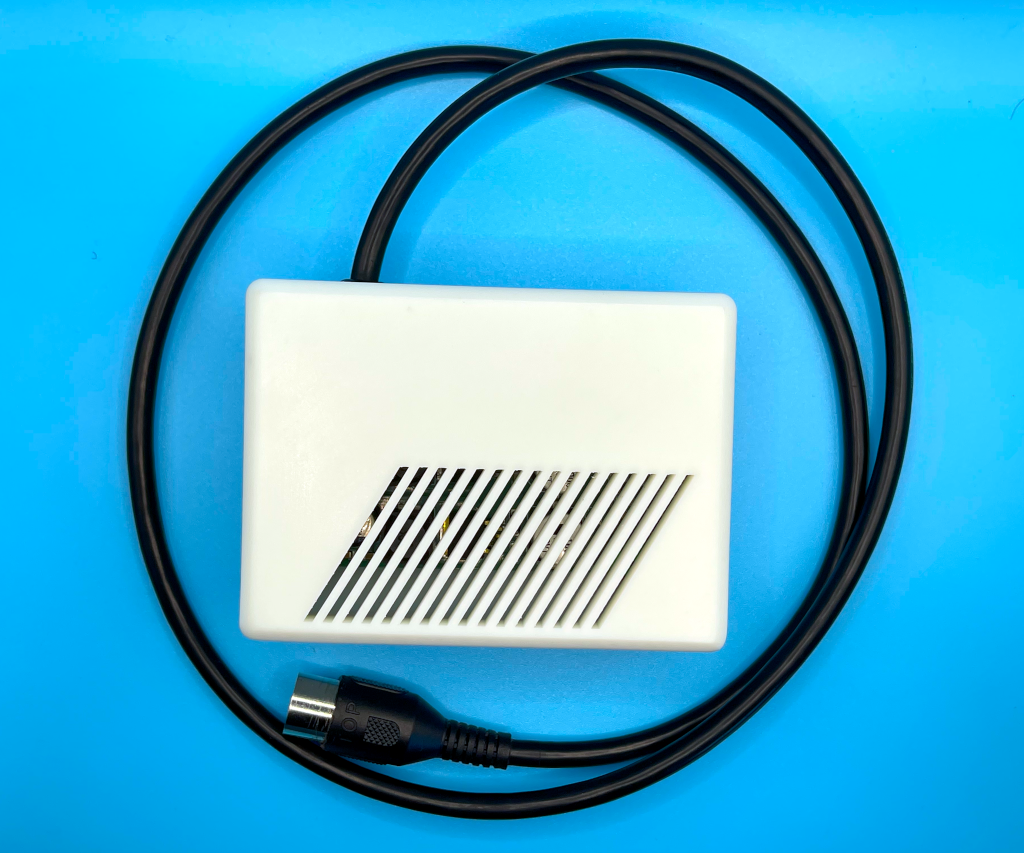
From €45 plus taxes. One carrier board fits the Amiga 500, 500+, 600 and 2000. Ships from Spain.
The SidecarTridge Kickstart Multi ROM replaces the Kickstart ROM chip of an Amiga 500, 500+, 600 or 2000 with a programmable board that holds your Kickstart images in onboard flash. From the Amiga’s point of view it looks and behaves like a stock ROM. From your point of view, you pick which Kickstart boots with the SWITCHER on the Amiga, copy new images over USB and never have to swap a chip again.
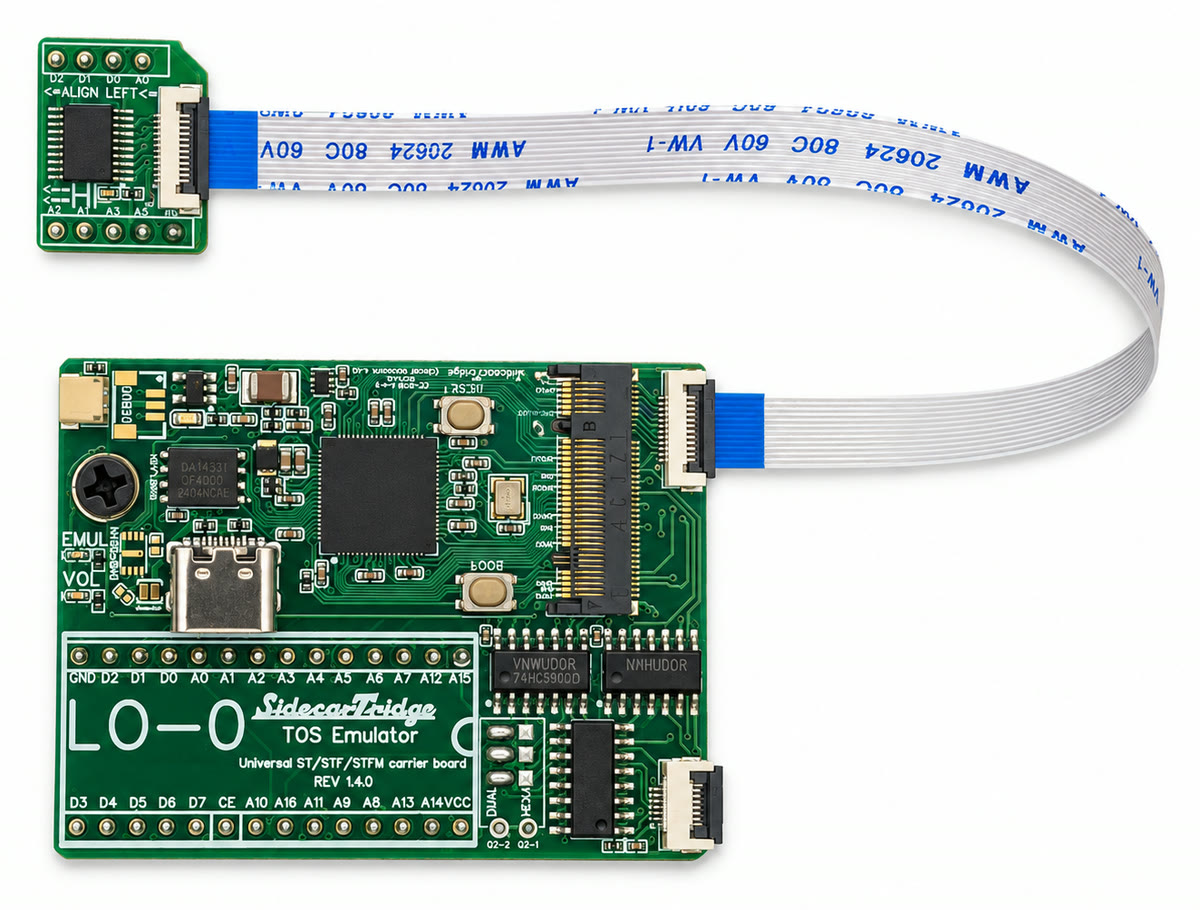
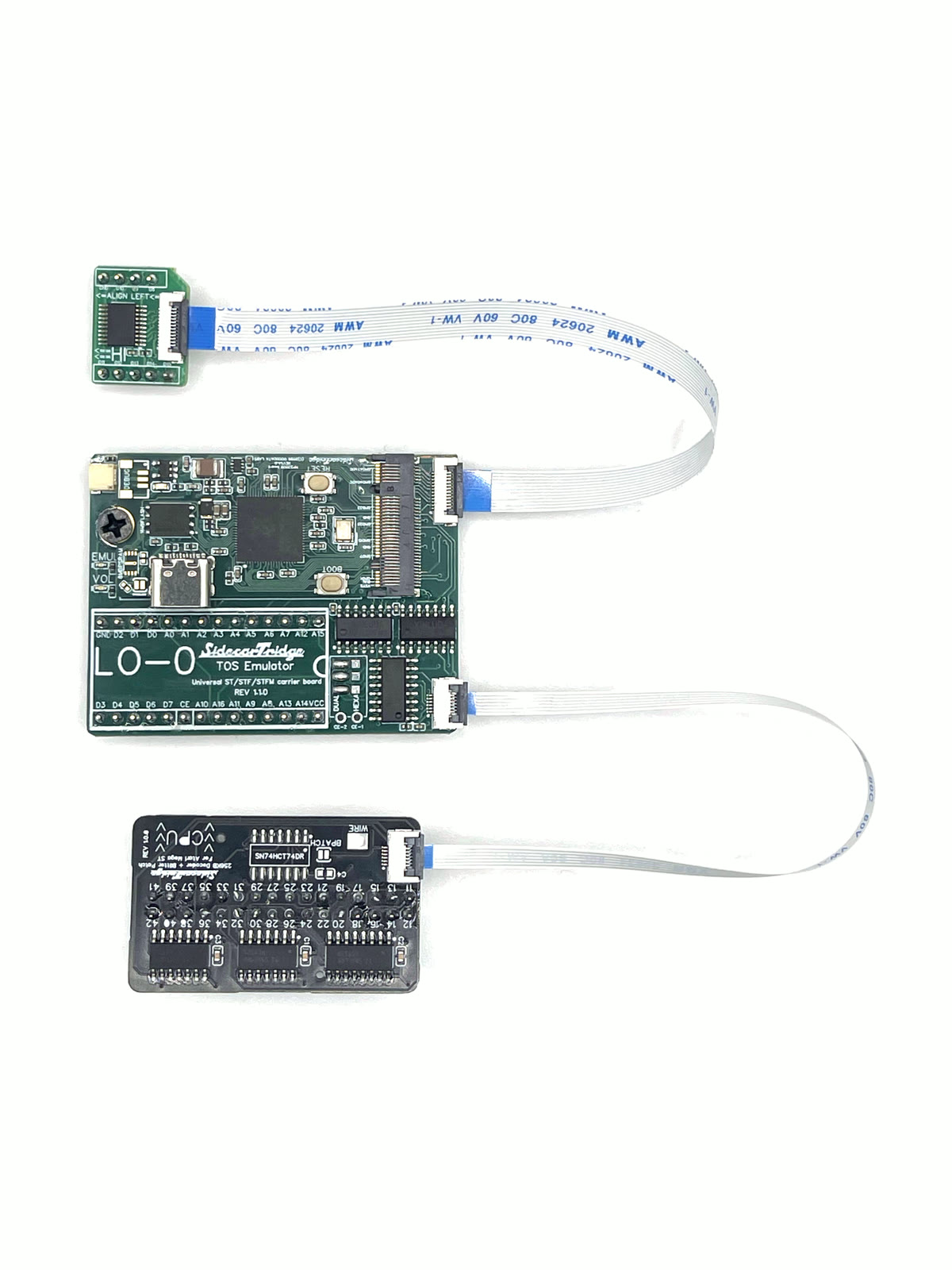
It is two boards, one on top of the other. The carrier board plugs into the Kickstart ROM socket in place of the original chip, and the ROM Emulator board revision 4, the one with the USB-C connector, stores your ROM images and serves them to the Amiga with firmware v4.0.0.
There are two kits, one for each group of motherboard revisions. The revision is printed on the motherboard; Before You Buy shows where to find it.
from €45 plus taxes
from €45 plus taxes
Both kits have the same boards, set at the factory for those revisions. Ordered the other one by mistake? It still fits your Amiga: the installation guide shows the one jumper to move.
The same carrier board fits the 40-pin Kickstart socket of the Amiga 500 and 2000 and the 42-pin socket of the Amiga 500+ and 600. No case modifications, no external boxes.
16 MB of flash. A new board has about 13 MB free: room for 25 more 512 KB images next to DiagROM and the rescue switcher.
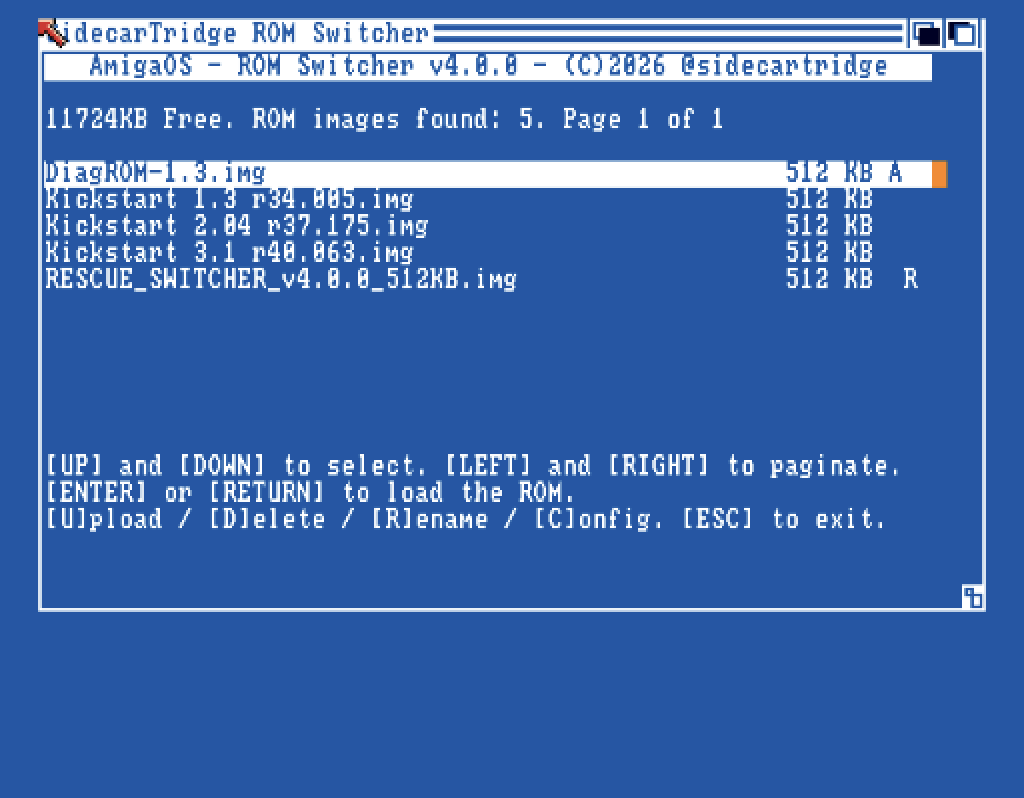
Pick the Kickstart for the next boot from the Amiga itself. The SWITCHER also uploads, renames and deletes images, and starts from a floppy image or your hard disk.
Plug the board into Windows, macOS or Linux and it shows up as the ROMEMUL drive. Drag in Kickstart images, eject, and fit it back in the Amiga.
A Kickstart that won't boot? Hold the RESCUE button while you switch the Amiga on and the board starts the rescue switcher, which can start any image you have.
On the Amiga 500+ and 600, board revision 4 can serve ROM images of up to 1 MB. Off by default: read Large ROMs before you try it.
The ROM Emulator board uses the PIO units of the Raspberry Pi RP2350 to answer the Amiga’s ROM bus with the timing a stock Kickstart chip has. From the Amiga’s point of view, nothing changed. From your point of view, the SWITCHER on the Amiga, or a text file on the ROMEMUL drive, decides which image the board serves on the next boot.
A new board boots DiagROM 1.3, so you can check your Amiga the moment it is installed. Kickstart images are copyrighted, so we ship none: dump your own chip or buy them from Amiga Forever, and prepare them with the Kickstart converter.
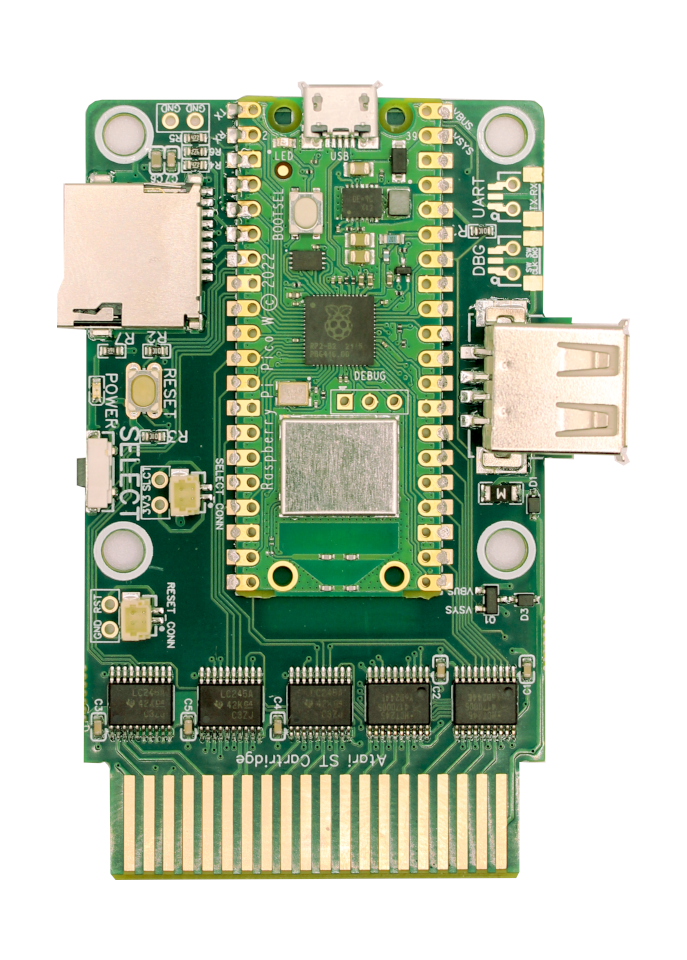
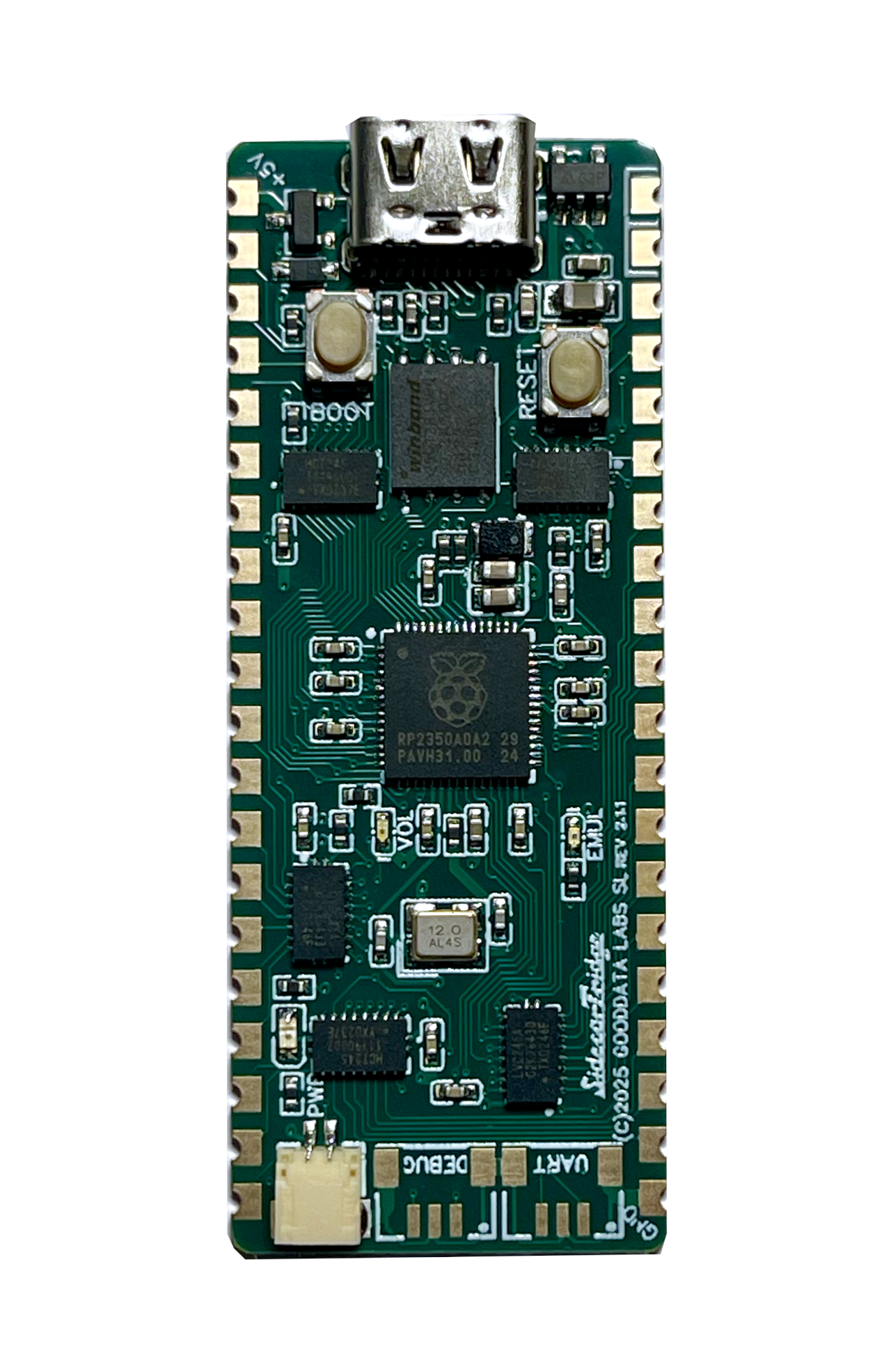
The ROM Emulator board in the kit is now board revision 4, built on the RP2350B. It is a short card with a gold edge connector that slots into the carrier board and is held with a screw, with red, green and orange status LEDs. Board revision 3 (RP2350A) came with one of four carrier boards, each for its own Amiga 500 or 2000 motherboards; the new carrier fits all of them, plus the Amiga 500+ and 600.
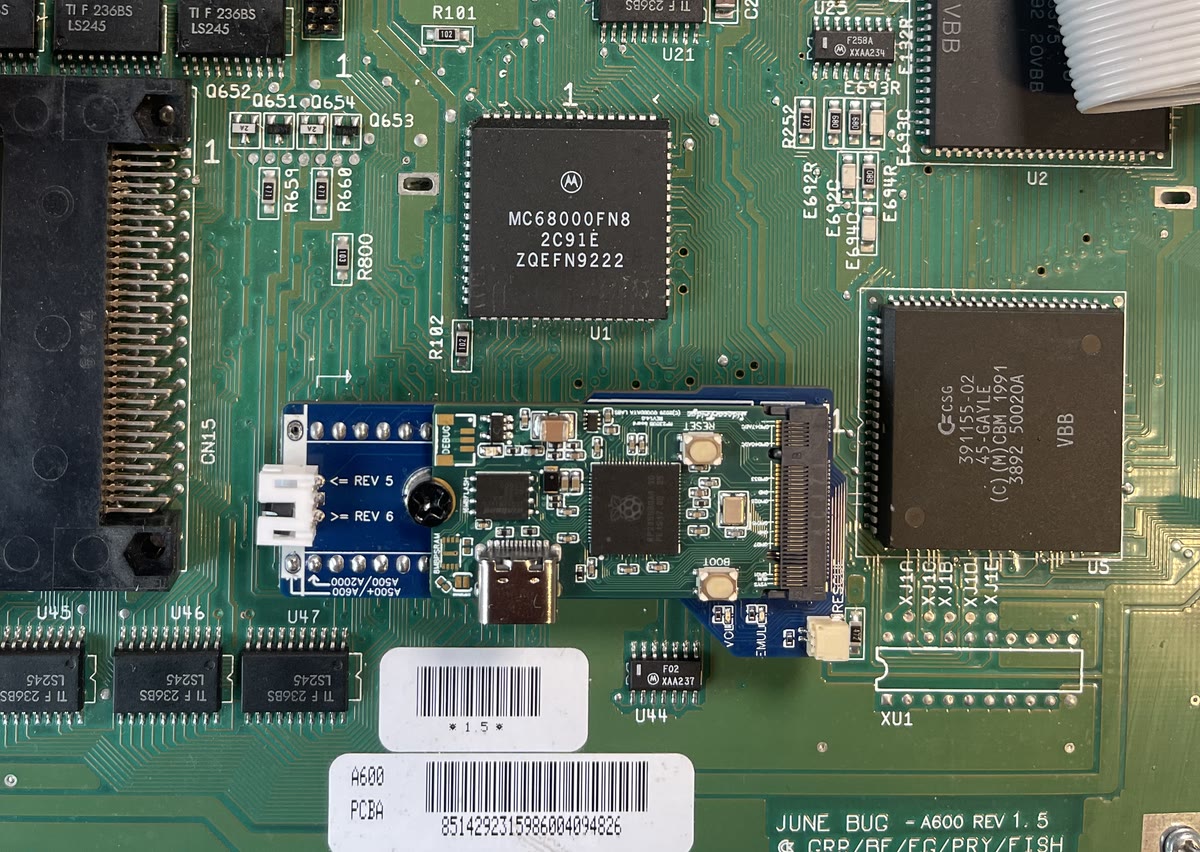
Step-by-step photos for every Amiga are in the Hardware Installation guide, and the first steps in the quickstart guide.
| Amiga | Motherboard revision | Status |
|---|---|---|
| Amiga 500 | rev3, rev5, rev6a | Supported |
| Amiga 500+ | every revision | Supported with board revision 4 |
| Amiga 600 | every revision | Supported with board revision 4 |
| Amiga 2000 | rev4.2 and earlier, rev4.3 and later | Supported |
| Amiga 1200, 3000, 4000, CDTV, CD32 | Not supported |
ROM images must be exactly 512 KB. Kickstart 1.1, 1.2, 1.3 and 2.04 through 3.1 are tested, along with DiagROM, Logica Diagnostics 2.0 and EmuTOS. The 256 KB Kickstart 1.x images must be doubled to 512 KB first: the Kickstart converter does it for Amiga Forever files. On the Amiga 500+ and 600, the experimental large ROMs of board revision 4 also take images of up to 1 MB. The full list is on the Compatibility page.
The kit now comes with the ROM Emulator board revision 4, built on the RP2350B, on a new carrier board. One carrier fits the Amiga 500, 500+, 600 and 2000, where board revision 3 needed a carrier for each Amiga 500 or 2000 motherboard. The same kit also covers the Amiga 500+ and 600. Board revision 4 can also serve ROM images of up to 1 MB on those two machines, as an experimental feature.
It runs firmware v4.0.0, with SWITCHER 4.0.0 and the rescue switcher 4.0.0. If the default image cannot be served, the board starts the rescue image by itself.
Look at the ROM Emulator board, the one with the USB-C connector. Or open INFO.TXT on the ROMEMUL drive it shows on your computer: Board variant: RP2350B is board revision 4, RP2350A is board revision 3.
rp2350b in the name. Never install a firmware v3.x file on it.rp2350a in the name. Coming from firmware v3.x? Follow Upgrading to v4.0.0: you also need the new SWITCHER and rescue switcher.The Which board do I have? guide has photos of both. Firmware files are on the download page.
The Amiga 500 (motherboard rev3, rev5 and rev6a), the Amiga 500+, the Amiga 600 and the Amiga 2000, all with the same carrier board. Board revision 3 kits supported the Amiga 500 and 2000 only. The Amiga 1200, 3000, 4000, CDTV and CD32 are not supported.
It depends on your motherboard revision. One kit is for the Amiga 500 rev3 and rev5 and the Amiga 2000 rev4.2 and earlier; the other is for the Amiga 500 rev6a, the Amiga 500+, the Amiga 600 and the Amiga 2000 rev4.3 and later. Both have the same boards, so if you order the wrong one, the installation guide shows the one jumper to move. See Find your kit.
Every image must be exactly 512 KB. Kickstart 2.04 to 3.1, DiagROM and EmuTOS already are. Kickstart 1.x images are 256 KB: a real Amiga mirrors them in its socket, the board does not, so double them to 512 KB first with the Kickstart converter or the steps in the conversion guide.
An experimental feature of board revision 4 with firmware v4.0.0: it serves ROM images of up to 1 MB on the Amiga 500+ and 600, whose 42-pin socket can address them. The Amiga 500 and 2000 only read the lower 512 KB. It is off on a new board, and while a large image runs, the board runs faster than its chip is rated for. Read Large ROMs before you turn it on.
The board lists up to 64 images in 16 MB of flash. A new board has about 13 MB free, room for 25 more 512 KB images besides DiagROM and the rescue switcher. You add and delete them over USB or with the SWITCHER.
The Kickstart Multi ROM is designed and supported on the Amiga 500, 500+, 600 and 2000 in their original stock configuration. Memory expansions, CPU accelerators, custom logic replacements, bodge wires and aftermarket ROM adapters are out of scope and not covered by warranty. If your Amiga is modified, please contact us before ordering.
Installation is safe as long as the board is seated the right way round. The carrier board has a pin 1 mark for each socket, a box for the Amiga 500+ and 600 and a triangle for the Amiga 500 and 2000: line it up with pin 1 of the socket, as for any Kickstart ROM.
Only if your original Kickstart ROM is soldered to the motherboard. In that case you need to desolder the ROM and fit a socket once. If your Amiga already has a socketed Kickstart ROM, the install is a chip swap and requires no soldering.
Yes, fit it when you install the board. The Amiga has no RESET button, so the RESCUE button is the only way into rescue mode: hold it while you switch the Amiga on. Route the cable out of the case so the button stays within reach.
Yes. The SWITCHER lists the images on the board and sets the one for the next boot; reset with Ctrl and both Amiga keys, or switch the Amiga off and on. It also uploads, renames and deletes images. Firmware v4.0.0 needs SWITCHER 4.0.0, which is on the board’s drive.
No. Kickstart ROMs are copyrighted material and the device ships without any. A new board comes with DiagROM 1.3 and the rescue switcher. You can dump the ROM from your own Amiga or buy a legal copy of the Kickstart ROMs from an authorised vendor.
Yes. DiagROM, Logica Diagnostics 2.0 and EmuTOS are tested, and any patched or custom image built for the 512 KB Kickstart socket should work.
Not for your ROM images: connect the board to a computer over USB and copy them to the ROMEMUL drive. Firmware updates are on the Kickstart Multi ROM download page, or install them from Chrome or Edge with Web Flash. Pick the files for your board: rp2350b for board revision 4, rp2350a for board revision 3.
Yes, if you enjoy tinkering with your Amiga and you are comfortable opening the case to seat a ROM (or fitting a socket if your machine has its original Kickstart soldered down). The Kickstart Multi ROM is a homebrew product built for hobbyists who want flexibility on real hardware. It is not a sealed appliance and it is not a plug-and-play upgrade for a stock Amiga with soldered ROMs.
This product has been assessed for European (CE) and UK (UKCA) conformity. Official Declarations of Conformity and EMC Assessment reports (KICKSTART-MULTIROM REV1.1.0):
Or visit our online shop for more options and configurations.